




What's Happening?
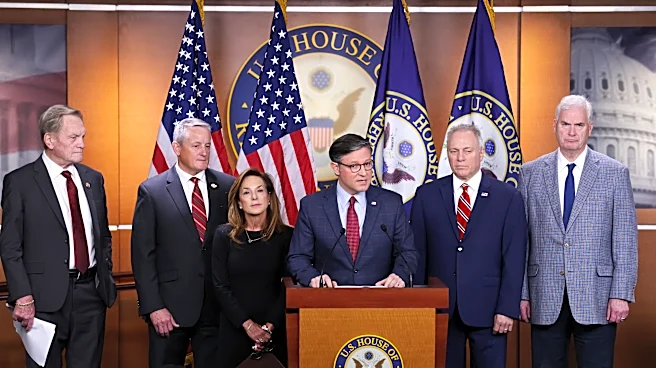
House Republicans are advancing legislation, H.R. 1013, known as the Retirement Fairness for Charities and Educational Institutions Act of 2025, sponsored by Rep. Frank Lucas. This bill aims to broaden investment options for workers holding 403(b) retirement
plans, allowing them access to additional choices currently available through other retirement plans, such as 401(k)s. The initiative is part of a broader effort by House Republicans to enhance flexibility and control over retirement savings for American workers. The legislation specifically targets employees in sectors like education and non-profit organizations, including teachers, nurses, and firefighters, who often utilize 403(b) plans. Current securities laws restrict these workers from accessing certain lower-cost investment options, which the proposed bill seeks to rectify.
Why It's Important?
This legislation is significant because it addresses a disparity in retirement savings options that affects a substantial segment of the American workforce, particularly those in public service and non-profit sectors. By expanding investment choices for 403(b) plan holders, the bill could enable these workers to potentially maximize their retirement savings and achieve greater financial security. The current restrictions limit investment flexibility and can hinder the growth of retirement funds for individuals who dedicate their careers to serving communities. The proposed changes could lead to more consistent retirement planning across different employment sectors, potentially benefiting millions of Americans by offering them better tools to prepare for their financial future.
What's Next?
The Retirement Fairness for Charities and Educational Institutions Act of 2025 is currently being brought forward by House Republicans. The next steps would involve committee reviews, potential amendments, and votes in the House of Representatives. If passed by the House, it would then move to the Senate for consideration. The bill's progression will likely involve discussions on its economic impact, administrative feasibility, and the extent of its benefits to the targeted workforce. Stakeholders, including educational institutions, non-profit organizations, and financial service providers, will closely monitor its development, as its passage could necessitate adjustments in how 403(b) plans are managed and offered.