








What's Happening?
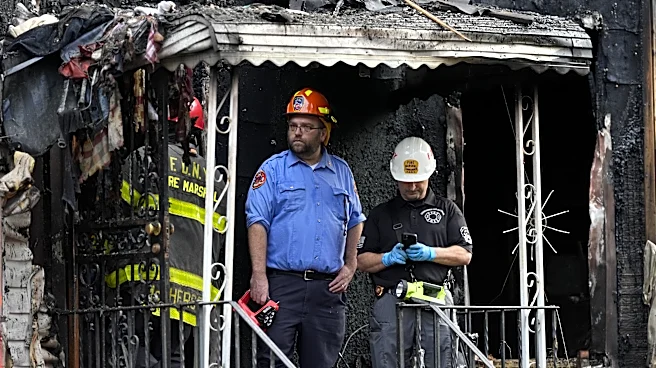
A fire at the Harris House apartment building in Cranston, Rhode Island, on Monday forced the evacuation of nearly 100 residents and displaced approximately 20 due to water damage. The fire originated on the lowest floor of the building, which primarily
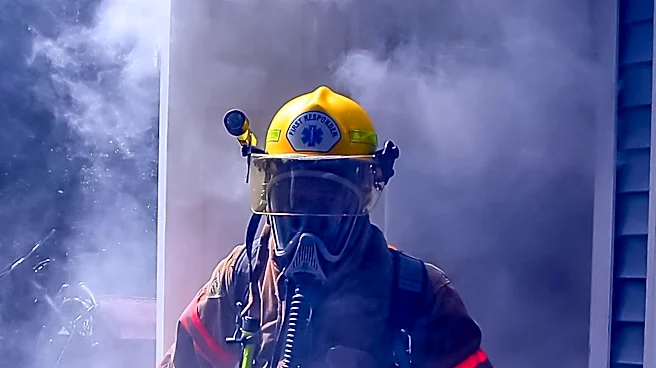
houses elderly and disabled residents. Dozens of residents were safely evacuated and transported to a local senior center via RIPTA buses as smoke filled the structure. Battalion Chief John Nottell Jr. stated that the situation 'could have been a lot worse,' highlighting the success of the major rescue effort. One individual was transported to the hospital for difficulty breathing but was later released. A resident, speaking off-camera, suggested the fire started due to an exploding e-bike battery, though fire officials have not officially confirmed the cause. Other residents have expressed safety concerns regarding such devices.
Why It's Important?
This incident underscores critical safety concerns in multi-unit residential buildings, particularly those housing vulnerable populations like the elderly and disabled. The rapid evacuation and displacement of residents highlight the importance of effective emergency response protocols and the need for accessible evacuation procedures, as demonstrated by a firefighter carrying a wheelchair-bound resident down stairs. The unconfirmed report of an e-bike battery explosion as the cause raises a growing concern about the fire risks associated with these devices, which have been linked to numerous fires nationwide. This event could prompt a review of fire safety regulations and building codes to address emerging hazards from personal electric devices, potentially impacting manufacturers, retailers, and property management companies. The displacement of 20 residents also emphasizes the immediate need for community support and resources like the Red Cross.
What's Next?
Fire officials will conduct an investigation to officially determine the cause of the fire, which will be crucial for understanding potential preventative measures. If an e-bike battery is confirmed as the cause, it could lead to increased scrutiny of e-bike safety standards and potentially new regulations or public awareness campaigns regarding their charging and storage. The displaced residents will continue to receive assistance from the Red Cross for temporary housing and other needs. Property management will assess the extent of the water damage and begin repairs, which could be a lengthy process. This event may also prompt other residential buildings, especially those with vulnerable populations, to review and update their fire safety plans and evacuation procedures.
Beyond the Headlines
The Cranston apartment fire brings to light the broader issue of evolving fire hazards in modern living spaces. The proliferation of personal electric devices, such as e-bikes, introduces new risks that traditional fire safety measures may not fully address. This incident could serve as a catalyst for a national conversation on product safety, consumer education, and regulatory frameworks for these devices. Furthermore, the challenges faced by elderly and disabled residents during evacuation highlight systemic issues in emergency preparedness for vulnerable populations. It underscores the need for inclusive emergency planning that considers diverse mobility and health needs, potentially influencing urban planning, building design, and social support systems to ensure equitable safety for all community members.