


What's Happening?
The Texas State Fair's Dairy Building is highlighted as a significant attraction, providing an educational experience for visitors, particularly those unfamiliar with dairy farming. While specific current exhibits, hours, or admission details are not
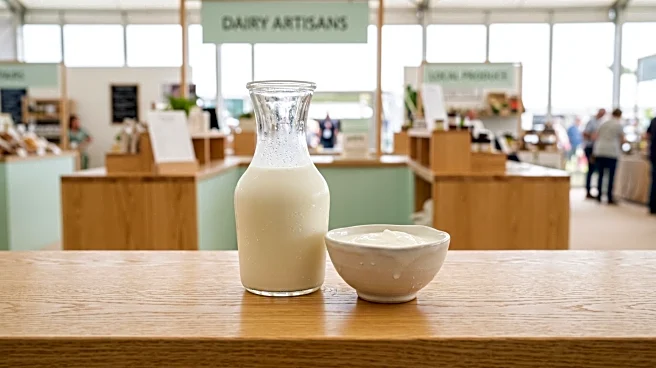
verified and fair programs change annually, the general expectation is a combination of live animals, educational displays, demonstrations, and sometimes samples. These exhibits aim to connect urban families with the origins of milk and offer dairy farmers a platform to engage with the public. Fairs, including the Texas State Fair, historically served as venues for farmers to showcase their best animals and crops, a tradition that continues today. The dairy areas facilitate conversations about animal care, milk safety, and the daily life of a dairy farm, fostering trust between consumers and producers. Visitors are advised to check the fair's official website for up-to-date information on schedules and activities.
Why It's Important?
The continued emphasis on dairy exhibits at large city fairs like the Texas State Fair is crucial for bridging the gap between agricultural producers and urban consumers. Many city residents live far from working dairies, making these fair exhibits a primary opportunity to understand where their food comes from. This direct interaction helps demystify dairy farming practices and allows farmers to address public questions about animal welfare and milk production. For the dairy industry, these fairs are vital for building consumer trust and educating the next generation. They also serve as a networking hub for producers, suppliers, and processors, potentially leading to new business opportunities and collaborations. Furthermore, the fair's connection to youth programs like 4-H and FFA is instrumental in developing future agricultural leaders, as young people gain hands-on experience in animal husbandry and exhibition.
What's Next?
Families planning to visit the Texas State Fair's Dairy Building should consult the official fair website for the most current information regarding schedules, hours, and ticket rules. It is recommended to plan visits during quieter times, such as weekday mornings or early evenings, to avoid large crowds. Visitors are advised to dress appropriately for the weather, bring water, and practice good hygiene, such as washing hands after interacting with animals, following CDC guidelines for health around animals at fairs. For those interested in youth programs, checking eligibility and deadlines with local 4-H and FFA chapters is the next step, as participation can involve costs for feed, travel, and show fees. Dairy professionals can also use these events for networking and to gauge public perception of the dairy industry.
Beyond the Headlines
The enduring presence of dairy exhibits at state fairs reflects a deeper cultural and educational significance beyond mere entertainment. These exhibits serve as a vital link in maintaining public understanding and appreciation for agriculture in an increasingly urbanized society. They highlight the ethical dimensions of food production, allowing consumers to directly inquire about animal care and farming practices. The fairs also underscore the importance of youth involvement in agriculture through programs like 4-H and FFA, which instill values of responsibility, patience, and hard work. This connection to agricultural roots helps preserve traditional knowledge and skills, ensuring that future generations understand the complexities and dedication involved in food production. The interaction between producers and consumers at these events fosters a sense of community and mutual respect, which is essential for the long-term sustainability of the dairy industry.