





What's Happening?
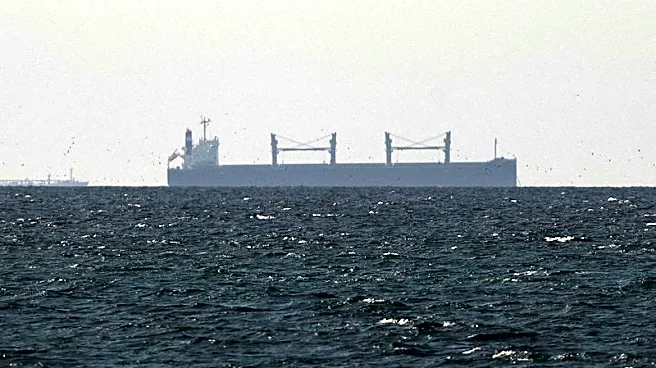
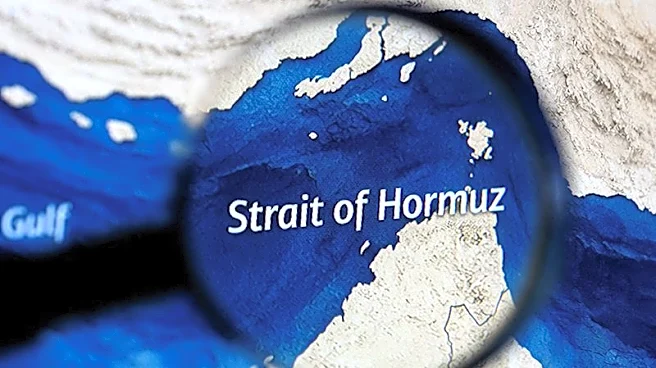
Global oil markets are experiencing heightened tension as a deadline set by President Trump for Iran to reach a deal approaches. The ultimatum has increased stakes both diplomatically and economically, with potential disruptions to the Strait of Hormuz,
a critical energy corridor. Iran has rejected a proposed ceasefire framework, demanding broader concessions, including sanctions relief. This has kept the Strait constrained, maintaining pressure on global energy flows. Oil prices have fluctuated, reflecting the market's uncertainty and the balance between the risk of escalation and the possibility of a negotiated outcome.
Why It's Important?
The situation underscores the fragility of global energy markets, where geopolitical tensions can significantly impact supply chains and pricing. The Strait of Hormuz is a vital passage for global oil shipments, and any disruption can lead to increased shipping costs, insurance premiums, and market volatility. The ongoing uncertainty affects not only oil prices but also the broader economic landscape, as energy costs influence various sectors. Investors and stakeholders are closely monitoring developments, as prolonged uncertainty could lead to sustained higher prices and risk premiums.
What's Next?
As the deadline approaches, the focus remains on diplomatic negotiations and potential resolutions. However, even if a ceasefire is reached, the normalization of shipping and logistical systems will take time. Trust in safe passage through the Strait will need to be rebuilt, and markets will continue to react to any developments. The outcome of these negotiations will have lasting implications for global energy markets and geopolitical relations.