





What's Happening?
Thousands of soldiers from 11 countries, including France, the UK, Germany, Belgium, Estonia, Lithuania, the Netherlands, Spain, Sweden, and Turkey, have commenced military exercises in Poland. These maneuvers, named 'Koalicja' (Coalition), are the first
organized by the 'Coalition of the Willing' and are designed to prepare for supporting Ukraine after a potential future peace deal with Russia. Approximately 2,800 military personnel are involved, with nearly 2,000 Polish troops participating. The exercises, taking place on land, in the air, and at sea, are being conducted by the Multinational Force Ukraine (MNF-U), the military component of the coalition. The British Ministry of Defence stated that the exercise will test command-and-control arrangements, rehearse the movement of personnel, equipment, and supplies, and assess how different units can operate together as a multinational force. Poland's Ministry of Defence clarified that while it is hosting the exercises and providing logistical support, it will not send its own soldiers to Ukrainian territory as part of any post-war settlement.
Why It's Important?
These military exercises underscore a significant European effort to establish a credible and deployable force ready to assist Ukraine in its post-conflict recovery and security. The involvement of multiple European nations, without direct U.S. participation in the Coalition of the Willing, signals a growing European assertiveness in regional security matters. This initiative aims to demonstrate Europe's capacity to play a meaningful role in any future peace negotiation process and to provide security guarantees to Ukraine. The exercises also serve as a message to Russia, indicating that further aggression will lead to increased costs and consequences, and that Europe is united in its support for Ukraine. The focus on logistical support and the rebuilding of Ukraine's armed forces, rather than direct combat deployment, highlights a strategic approach to long-term stability in the region.
What's Next?
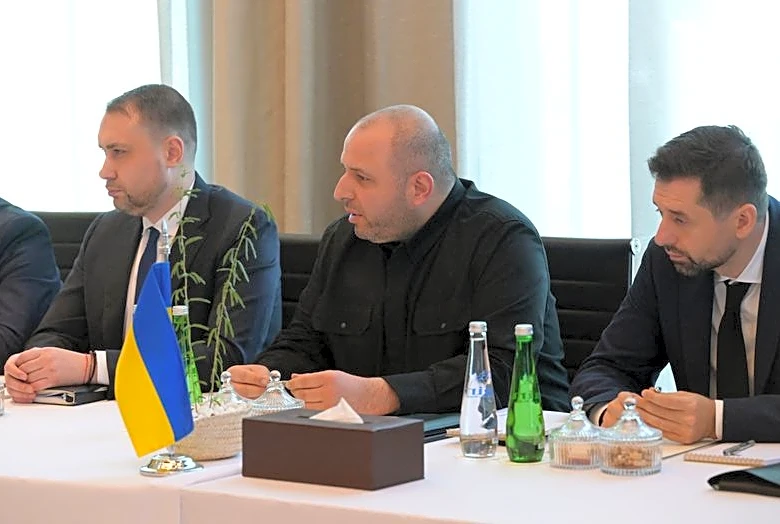
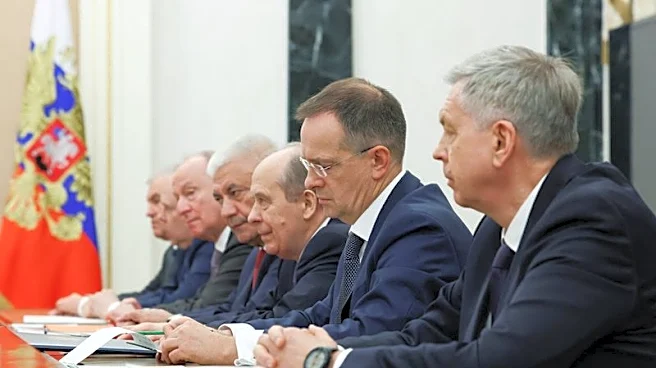
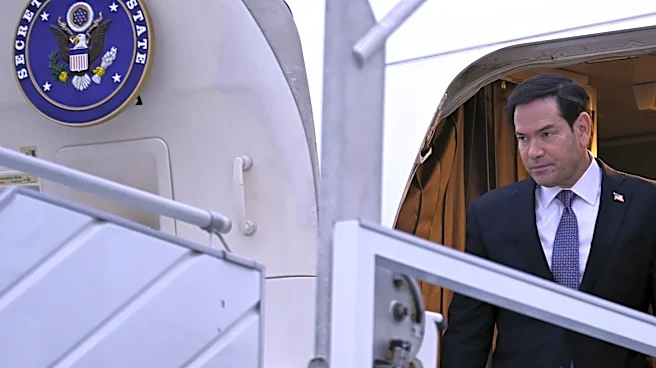
The 'Koalicja' exercises are scheduled to continue until November 22. Concurrently, peace talks involving Russia, the United States, and Ukraine are set to resume in Abu Dhabi, with European officials pushing for a more prominent role in these negotiations. The outcome of these talks and the demonstrated capabilities of the Multinational Force Ukraine could influence the format and participants of future peace agreements. Russia has condemned the exercises, warning that any foreign military units deployed in Ukraine would be considered legitimate targets, which could complicate future peace efforts. The European Union's continued financial and military aid, including Poland's commitment of additional funds for generators for Ukraine, indicates ongoing support for Ukraine's resilience, particularly in preparation for the coming winter.
Beyond the Headlines
The 'Coalition of the Willing' exercises highlight a broader shift in European security strategy, emphasizing self-reliance and a more unified approach to regional defense. The explicit exclusion of the United States from this particular coalition, while still maintaining strong transatlantic ties, suggests a desire among European nations to assert their own agency in shaping the continent's security architecture. This could lead to a more robust and independent European defense capability in the long term. The exercises also raise ethical and legal questions regarding the definition of 'support' versus 'intervention' in a post-conflict scenario, especially given Russia's strong condemnation. The emphasis on deterrence without provocation reflects a delicate balance between projecting strength and avoiding escalation, a challenge that will continue to define European foreign policy in the coming years.