







What's Happening?
A comprehensive analysis of over 50 studies involving nearly 9 million adults has established a link between diets high in ultra-processed foods (UPFs) and an elevated risk of various serious health conditions. These conditions include cardiovascular
problems, diabetes, obesity, mental health issues, digestive diseases, cancer, and premature death. In the United States, ultra-processed foods constitute approximately 60% of the average diet. UPFs are characterized by extensive industrial processing and often contain high levels of added sugar, sodium, refined grains, and fats, along with ingredients designed to enhance flavor, texture, appearance, or shelf life. Common examples range from cookies and chips to certain frozen pizzas and sugary breakfast cereals. The analysis indicates that for every additional 100 grams of ultra-processed food consumed daily, there is a 4% increase in cancer risk and a 3% increase in the risk of death from any cause. Researchers are investigating multiple factors contributing to these associations, including the nutritional composition of UPFs, changes in food structure due to processing, and the potential 'cocktail effect' of additives.
Why It's Important?
The findings are particularly significant for the U.S. given the high prevalence of ultra-processed foods in the American diet. The widespread consumption of these foods, often driven by factors like cost, convenience, and accessibility, poses a substantial public health challenge. The increased risks of chronic diseases such as cardiovascular problems, diabetes, and cancer could lead to higher healthcare burdens and reduced quality of life for millions of Americans. The association with mental health conditions, including a 27% higher risk of depression and anxiety, also highlights a broader impact on societal well-being. Understanding these links is crucial for public health initiatives aimed at promoting healthier eating patterns and for policymakers considering regulations or educational campaigns regarding food processing and labeling. The economic implications could be vast, affecting healthcare expenditures, workforce productivity, and the food industry's product development strategies.
What's Next?
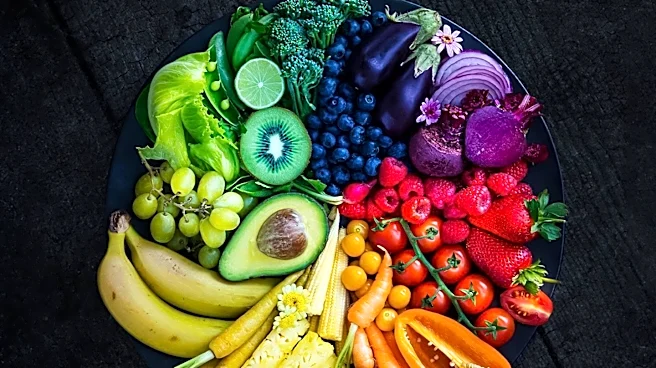
Further research is needed to fully understand the causal mechanisms behind the observed associations between ultra-processed foods and adverse health outcomes. Scientists will continue to investigate how nutritional composition, processing methods, food structure, and additives interact to affect health. The concept of a 'cocktail effect' from combinations of additives requires more in-depth study. Public health organizations and dietary guidelines may increasingly emphasize the importance of overall dietary patterns, encouraging the consumption of more vegetables, fruits, legumes, whole grains, and other minimally processed foods. Consumers may see a greater focus on clear food labeling that provides detailed information on added sugar, sodium, saturated fat, fiber, and protein content, rather than solely relying on broad processing categories. The food industry might face pressure to innovate and offer healthier, less processed alternatives to meet evolving consumer demands and health recommendations.
Beyond the Headlines
The discussion around ultra-processed foods extends beyond mere nutritional content, touching upon ethical and societal dimensions. The affordability and convenience of UPFs often make them a staple for low-income households or individuals with limited time for meal preparation, raising questions about food equity and access to healthier options. The marketing and availability of these products can influence dietary choices, potentially exacerbating health disparities. There's also a debate about the definition of 'ultra-processed' itself, as some packaged foods within this category can still offer useful nutrients. This complexity necessitates a nuanced approach, moving beyond a 'good food, bad food' dichotomy to consider the broader context of individual diets, lifestyles, and socioeconomic factors. The long-term shift could involve a re-evaluation of food production practices, emphasizing less industrial processing and more whole, nutrient-dense ingredients to foster a healthier food environment.