



What's Happening?
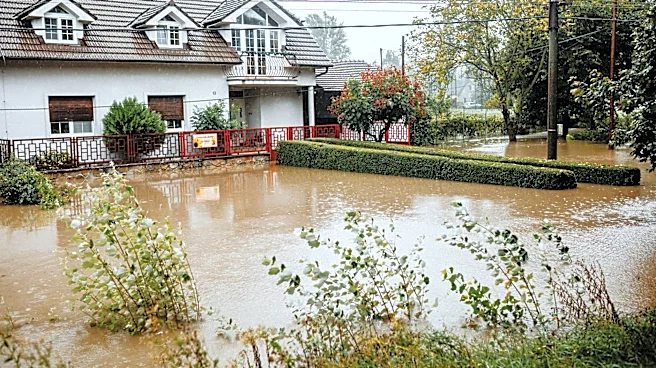
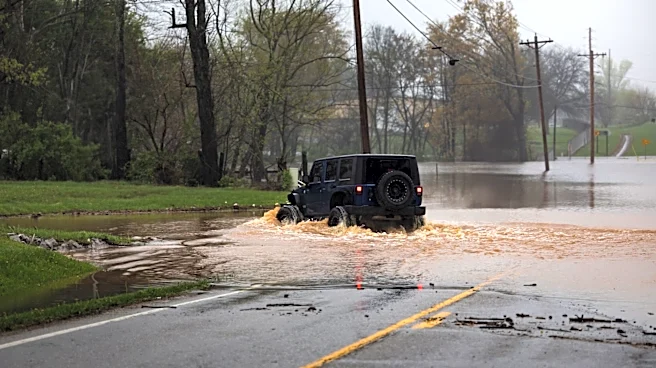
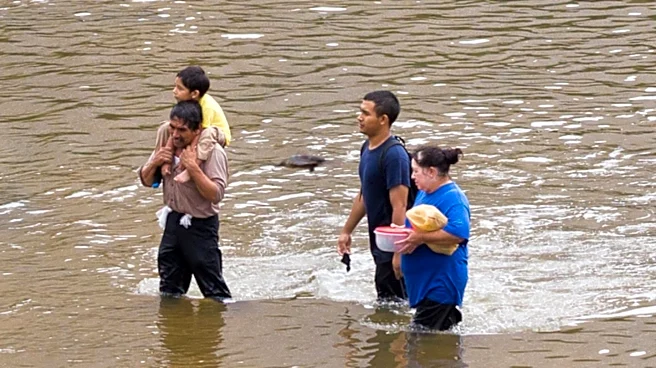
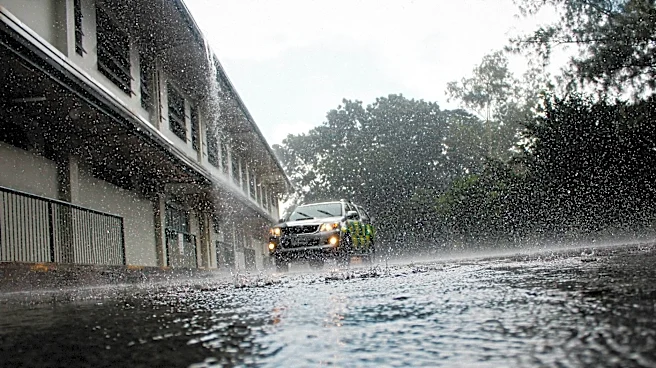
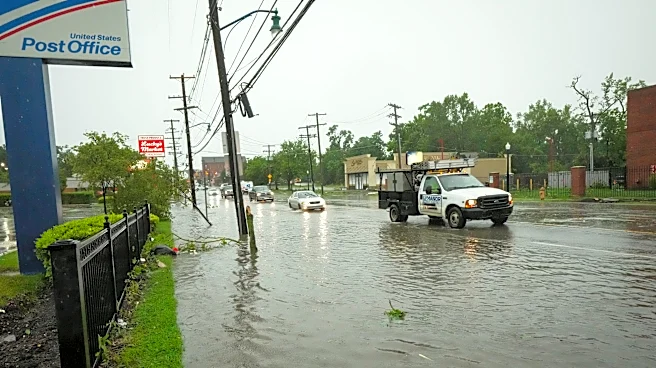
Charleston, West Virginia, and its surrounding areas experienced significant flash flooding on Sunday night, leading to dozens of swift water rescues. The Charleston Fire Department, supported by neighboring departments, began conducting rescues around
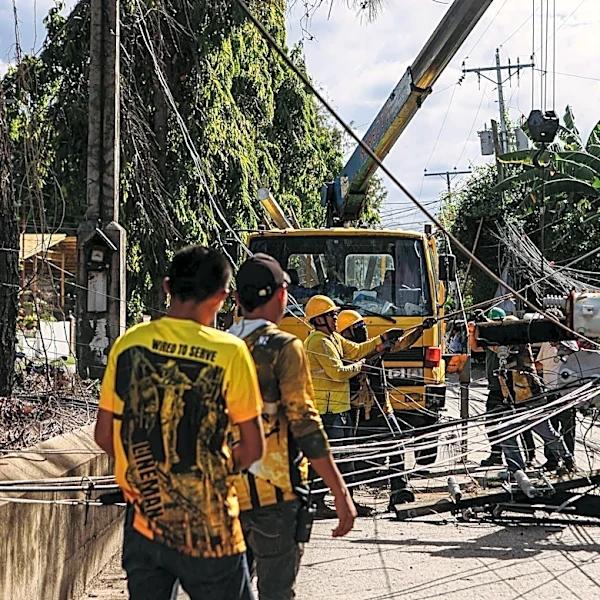
8:30 p.m. These operations involved extracting motorists from stranded vehicles and residents from homes in various affected areas, including Garrison Ave., Rutledge Road, Pacific Street, Valley Grove, Greenbrier Street, and Oakridge Road. Additionally, several rescues occurred along Campbells Creek Drive outside the city. Metro 911 also received numerous reports of downed trees and power lines, with pavement reportedly washed away at the intersection of Chandler Drive and Arnold Street. The intensity of the water rescue calls began to subside by approximately 10:30 p.m. The National Weather Service has extended a flash flood warning for Kanawha County until 5:15 a.m. Monday, indicating continued concern for the area.
Why It's Important?
This severe weather event highlights the increasing vulnerability of urban and suburban areas to flash flooding, a phenomenon that can rapidly escalate and pose significant risks to public safety and infrastructure. The need for dozens of swift water rescues underscores the immediate danger to residents and the critical role of emergency services in mitigating harm. Such events can lead to substantial property damage, disrupt daily life, and strain local resources. Economically, the damage to roads, homes, and businesses can result in considerable repair costs and economic disruption for affected communities. For individuals, the loss of property and the psychological impact of such emergencies can be profound. The ongoing flash flood warning further emphasizes the persistent threat and the importance of preparedness and rapid response mechanisms in areas prone to extreme weather.
What's Next?
With the flash flood warning for Kanawha County extended until Monday morning, emergency services will likely remain on high alert, continuing monitoring and potential rescue operations as needed. Residents in affected and low-lying areas are advised to remain vigilant and follow local emergency instructions. Post-event, authorities will assess the full extent of the damage to infrastructure, including roads and power grids, to begin repair efforts. There will likely be a focus on clearing downed trees and power lines to restore essential services. Local government and emergency management agencies will also evaluate their response to identify areas for improvement in future flood preparedness and mitigation strategies. The community will face the immediate task of recovery, including cleaning up flood-damaged properties and addressing any lingering safety concerns.
Beyond the Headlines
Beyond the immediate impact of the flooding, this event contributes to a broader pattern of increasingly frequent and intense weather phenomena, raising questions about long-term urban planning and climate resilience. The destruction of pavement and widespread power outages point to the need for more robust infrastructure designed to withstand extreme weather conditions. This incident could prompt discussions on improving early warning systems, enhancing drainage infrastructure, and implementing stricter building codes in flood-prone areas. Furthermore, the psychological toll on residents who experience such events, particularly those requiring rescue or facing significant property loss, can be long-lasting. The community's ability to recover and adapt will depend on coordinated efforts from local government, emergency services, and community support networks, potentially influencing future policy decisions regarding disaster preparedness and climate adaptation in West Virginia.