



What's Happening?
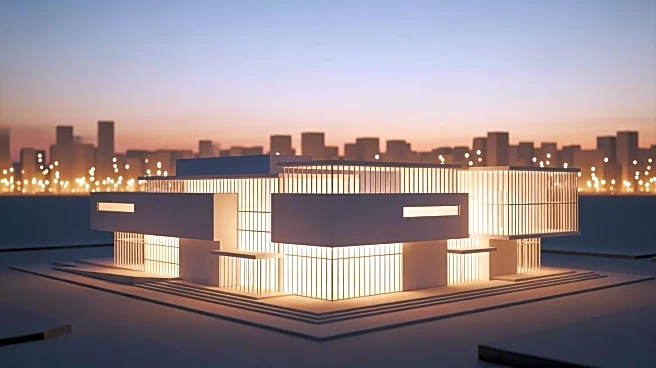
In 2026, Los Angeles is set to witness the opening of several significant museums, marking a major enhancement to its cultural landscape. The Los Angeles County Museum of Art (Lacma) will unveil its expanded David Geffen Galleries in April, nearly doubling
its gallery space. This expansion, designed by architect Peter Zumthor, includes new educational spaces and public areas. Additionally, the Lucas Museum of Narrative Art, founded by filmmaker George Lucas, is scheduled to open in September. This $1 billion project will feature a wide array of exhibits, from Star Wars memorabilia to ancient sculptures. Another notable opening is Dataland, a museum dedicated to art created with artificial intelligence, designed by Gensler and located in downtown Los Angeles. These developments are part of a broader trend of cultural investment in the city, aiming to attract diverse audiences and enhance public engagement with the arts.
Why It's Important?
The opening of these museums is significant for Los Angeles as it positions the city as a leading cultural hub. The expansion of Lacma and the introduction of the Lucas Museum and Dataland are expected to draw international attention, boosting tourism and local economy. These institutions will provide new platforms for artists and curators, fostering innovation and creativity. The focus on diverse and technologically advanced exhibits reflects a shift towards more inclusive and interactive cultural experiences. This development is likely to influence public policy and funding for the arts, encouraging further investment in cultural infrastructure. The presence of these museums will also enhance educational opportunities, offering new resources for schools and community programs.
What's Next?
As these museums prepare to open, they will likely engage in extensive marketing and outreach efforts to attract visitors. Collaborations with local schools and community organizations may be established to maximize educational impact. The success of these institutions could lead to further expansions or new projects in the cultural sector. Stakeholders, including city officials and cultural leaders, will monitor the economic and social impacts of these openings, potentially influencing future urban development plans. The museums may also host inaugural events and exhibitions to celebrate their openings, drawing attention from media and art enthusiasts worldwide.