




What's Happening?
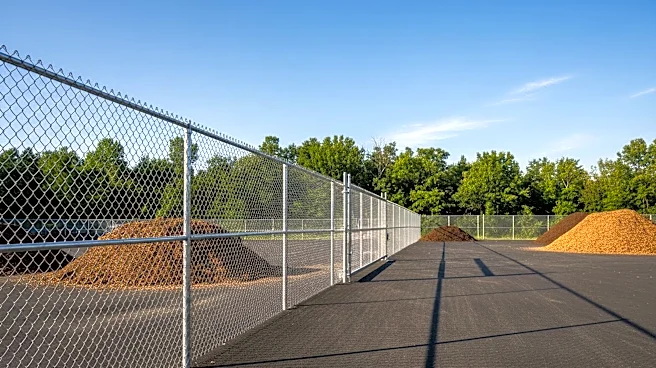
The Normal Town Council has approved a $65,230 contract with Hohulin Fence for the installation of new fencing at the public works landscape waste drop-off site located at 1301 Warriner St. This unstaffed facility is designated for use by town residents,
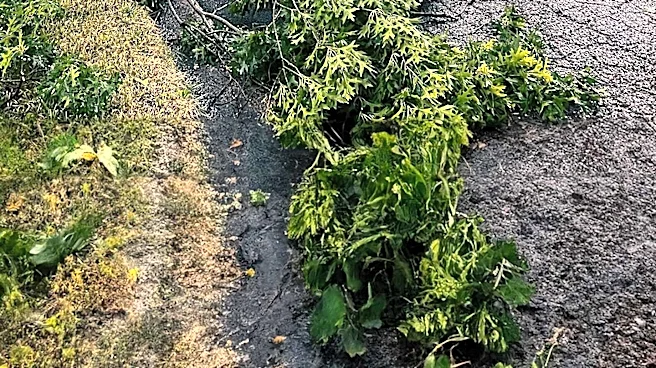
Illinois State University, and Unit 5 through existing agreements. The primary motivation for this project is to address a significant increase in contamination observed at the site over recent years. City Manager Pam Reece noted that the site, which previously operated on an 'honor system,' has been receiving regular household garbage, hazardous materials, plastics, concrete, brick, various metals, and large quantities of brush and tree limbs not intended for composting. The new fencing, which will include a controlled-access gate, aims to prevent these unauthorized materials from entering the compost stream. This measure is expected to ensure the integrity of the compost sent to the ISU Farm in Lexington.
Why It's Important?
The approval of this fencing project is important for several reasons, primarily concerning environmental sustainability and public resource management. Contamination of compost streams can degrade the quality of the final product, making it unsuitable for agricultural use and potentially introducing harmful substances into the environment. By implementing controlled access, Normal aims to maintain the purity of its landscape waste, ensuring that the compost produced is safe and effective for its intended purpose at the ISU Farm. This move also highlights a broader challenge faced by municipalities in managing public waste facilities, where reliance on the 'honor system' can lead to misuse and increased operational costs. The decision reflects a shift towards more stringent controls to protect shared resources and promote responsible waste disposal practices. Furthermore, it aligns Normal's operations more closely with those of neighboring communities like Bloomington, suggesting a regional trend towards stricter waste management protocols.
What's Next?
Following the approval, the next step will be the installation of the fencing and controlled-access gate at the landscape waste drop-off site. This physical barrier is expected to immediately reduce the influx of unauthorized materials. Town staff will likely monitor the effectiveness of the new system in decreasing contamination levels. There may also be a need for public communication campaigns to inform residents about the changes and reinforce proper disposal guidelines for landscape waste. The success of this initiative could influence future waste management strategies in Normal and potentially serve as a model for other communities facing similar contamination issues at their public drop-off sites. The long-term goal is to ensure a consistent supply of high-quality compost for the ISU Farm, supporting agricultural sustainability.
Beyond the Headlines
This seemingly straightforward infrastructure project touches upon deeper societal and environmental implications. The breakdown of the 'honor system' at the landscape waste site reflects a broader challenge in civic responsibility and adherence to community guidelines. It underscores the tension between convenience and environmental stewardship, where the ease of disposal can sometimes lead to irresponsible actions. The need for a controlled-access gate highlights a growing trend where public services, once reliant on trust, now require more robust enforcement mechanisms to protect shared resources. Ethically, it raises questions about individual accountability in collective environmental efforts. The project also subtly emphasizes the interconnectedness of urban waste management with agricultural practices, as contaminated compost could have adverse effects on soil health and crop production at the ISU Farm, impacting the broader ecosystem.