






What's Happening?
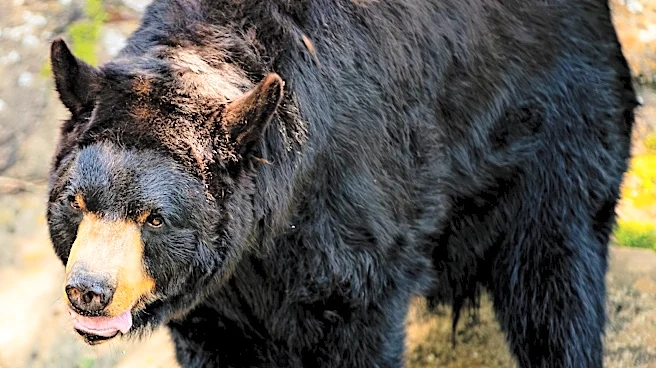
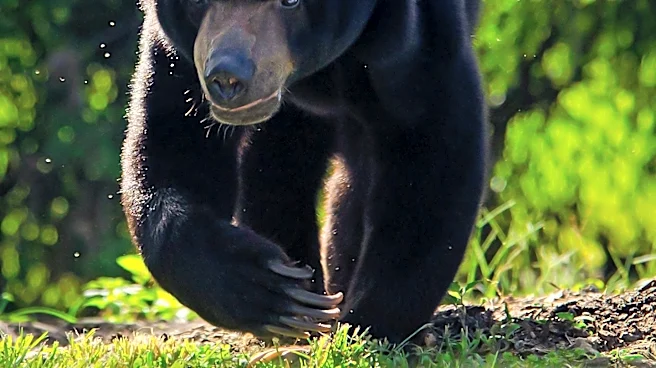
A person was injured after a bear entered a home in Asheville, western North Carolina, on Tuesday night around 9 p.m. Authorities reported that a female bear, accompanied by her three cubs, gained entry to the residence through an unlocked door. The North Carolina Wildlife
Commission, Buncombe County EMS, and the Reems Creek and Asheville Fire Departments responded to the scene. The injured individual sustained injuries while attempting to escape the home, though the extent of their injuries and current condition have not been released. The bear and her cubs had left the premises before emergency crews arrived. The Reems Creek Fire Department issued a public reminder for residents in areas with active bear populations to exercise caution, secure potential food sources and attractants, and ensure doors and windows are locked. They also advised against approaching or interacting with bears.
Why It's Important?
This incident highlights the increasing frequency of human-wildlife encounters, particularly with bears, in residential areas of North Carolina. As urban and suburban developments expand into natural habitats, the likelihood of such interactions rises, posing risks to both humans and wildlife. The fact that the bear entered through an unlocked door underscores the importance of public awareness and adherence to safety guidelines, such as securing homes and food sources. The injury sustained by the resident serves as a stark reminder of the potential dangers involved when bears, especially those with cubs, feel threatened or are seeking food. This event is significant for local communities as it emphasizes the need for coexisting with wildlife through preventative measures and responsible behavior, ensuring the safety of both residents and the bears. It also places a spotlight on the role of emergency services and wildlife agencies in managing these situations and educating the public.
What's Next?
Following the incident, the Reems Creek Fire Department has reiterated crucial safety advice for residents in bear-active areas. This includes securing potential food sources, ensuring doors and windows are locked, and avoiding interaction with bears. The North Carolina Wildlife Commission will likely continue its efforts to educate the public on bear safety and management. While the bear and her cubs left the scene, authorities will remain vigilant for any further bear activity in residential areas. The incident may prompt local authorities to review and potentially enhance public awareness campaigns regarding wildlife safety. Residents are encouraged to report bear sightings or unusual behavior to wildlife officials to help manage human-bear conflicts effectively. The focus will be on prevention and education to minimize future encounters and ensure community safety.
Beyond the Headlines
The bear entering a home in Asheville is more than an isolated incident; it reflects a broader ecological trend of wildlife adapting to human environments, often driven by habitat loss and the availability of human-provided food sources. This event raises questions about urban planning, waste management, and the long-term strategies for human-wildlife coexistence. The presence of cubs suggests that the mother bear was likely seeking food to support her offspring, highlighting the survival instincts that can lead to such encounters. This situation also brings to the forefront the ethical considerations of managing wildlife populations in increasingly urbanized landscapes. It challenges communities to find sustainable solutions that protect both human safety and animal welfare, moving beyond reactive responses to proactive conservation and education efforts. The incident serves as a powerful reminder of the interconnectedness of human and natural systems and the need for respectful coexistence.