


What's Happening?
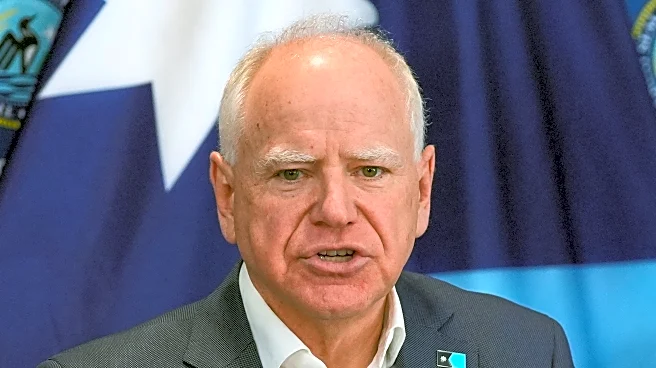
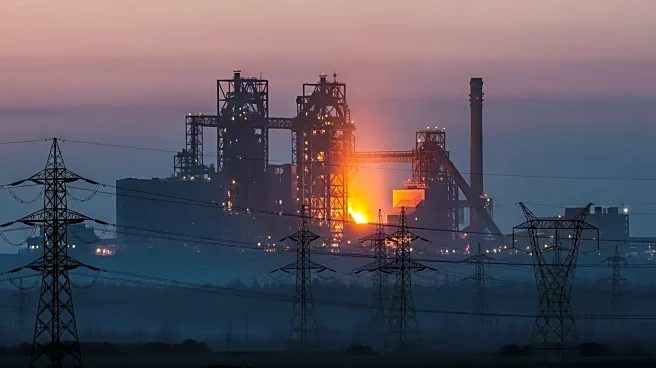
Mozambique's government is actively working to ensure the continued operation of the Mozal aluminium smelter, owned by Australia's South32. Mineral Resources and Energy Minister Estevao Pale announced the government's commitment to keeping the smelter open
during a conference in Cape Town, South Africa. This comes after South32 declared in December its intention to place the plant under care and maintenance by March, citing the inability to secure a power agreement with the government. The Mozal smelter, which is energy-intensive, has been at the center of prolonged negotiations between South32, the Mozambican government, and power suppliers. The failure to reach a power deal has led South32 to anticipate a $60-million one-off cost associated with the plant's maintenance status.
Why It's Important?
The Mozal aluminium smelter is a significant industrial operation in Mozambique, contributing to the country's economic output and employment. The potential closure of the smelter could have adverse effects on the local economy, including job losses and reduced industrial activity. For South32, the inability to secure a power deal represents a substantial financial and operational challenge, impacting its strategic operations in the region. The situation underscores the critical role of stable and affordable energy supplies in sustaining large-scale industrial operations. The outcome of these negotiations could set a precedent for future industrial agreements in Mozambique and influence investor confidence in the region's energy and industrial sectors.
What's Next?
The immediate focus for Mozambique and South32 is to resolve the power supply issue to prevent the smelter's closure. Successful negotiations could lead to a new power agreement, ensuring the smelter's continued operation and stability for the local economy. However, if a resolution is not reached, South32 may proceed with its plan to place the smelter under care and maintenance, potentially leading to economic repercussions for Mozambique. The situation may prompt further discussions on energy policy and industrial strategy within the country, as stakeholders seek to balance industrial growth with energy availability.