









What's Happening?
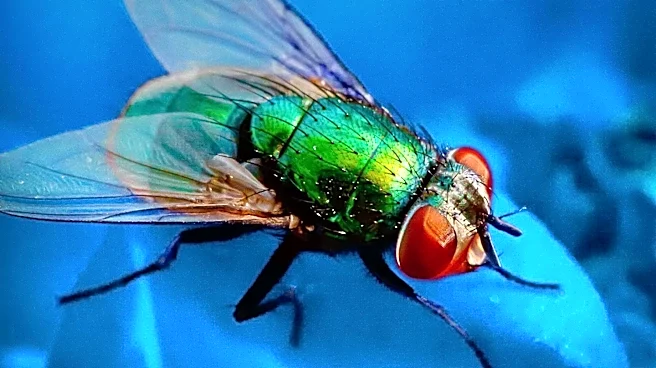
The United States is grappling with the spread of the new world screwworm, a parasitic fly that poses a significant threat to livestock and wildlife. Conservationists have discovered that illegal cattle movements in Central America have facilitated the spread of the screwworm, which
has now been detected in 34 animals in the US, primarily in Texas. The USDA is deploying 100 million sterile flies in the southwest and Mexico to slow the infestation, but experts suggest that 500 million are needed for effective eradication. The screwworm's resurgence is attributed to illegal cattle trafficking, which has changed significantly since the pest was last eradicated in 1966. Efforts are underway to expand sterile fly production facilities in Mexico and Texas, with new methods being explored to enhance eradication efforts.
Why It's Important?
The spread of the screwworm in the US poses a severe threat to the agricultural sector, particularly the livestock industry. The infestation could lead to significant economic losses due to livestock deaths and increased costs for eradication efforts. The situation highlights the need for robust biosecurity measures and international cooperation to address illegal cattle movements that contribute to the spread of such pests. The USDA's response and the development of new eradication techniques are crucial to preventing further economic and ecological damage. The issue also underscores the importance of monitoring and controlling wildlife diseases that can impact both agriculture and biodiversity.
What's Next?
The USDA and other stakeholders are likely to intensify efforts to expand sterile fly production and explore innovative eradication methods. There may be increased collaboration with Central American countries to address the root causes of illegal cattle movements. Additionally, there could be a push for more comprehensive disease monitoring systems to prevent future outbreaks. The agricultural sector and policymakers will need to consider long-term strategies to enhance biosecurity and prevent similar infestations. The success of these efforts will depend on the availability of resources and the effectiveness of international cooperation.
Beyond the Headlines
The screwworm infestation raises broader questions about the sustainability of current agricultural practices and the impact of illegal activities on global ecosystems. The situation highlights the interconnectedness of wildlife health and agricultural productivity, emphasizing the need for integrated approaches to pest management. It also points to potential ethical and legal challenges in regulating cross-border livestock movements and ensuring compliance with international health standards. The long-term implications could include shifts in agricultural policies and increased investment in research and development for pest control technologies.