







What's Happening?
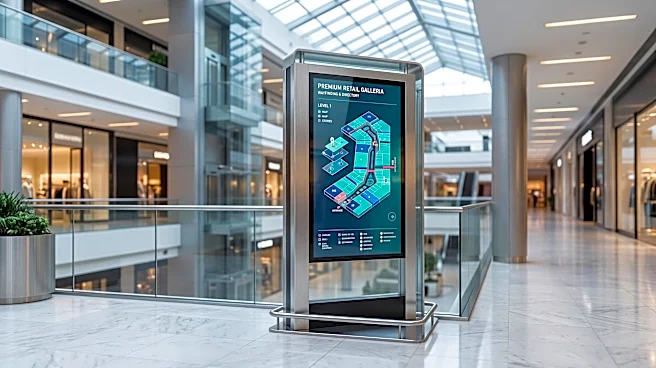
Interactive kiosks are evolving beyond simple transactional devices into sophisticated self-service platforms across various sectors in the U.S. and globally. In smart cities, these kiosks function as digital notice boards, wayfinding aids, and emergency
alert systems, providing real-time updates on transportation, weather, and civic notices. Cities like Singapore and Dubai have implemented large-scale deployments to enhance citizen experience and reduce operational costs. In retail, kiosks enable customers to browse products, place orders, and access detailed product information. The casino industry is also leveraging interactive kiosks to offer a wide range of services, from loyalty program sign-ups and reward redemptions to cashless transactions and hotel check-ins. These devices are becoming central to customer journeys, integrating with existing management and loyalty systems to deliver personalized offers and streamline operations. The market for smart city interactive kiosks is projected to grow significantly, driven by urbanization and investments in smart infrastructure, with a focus on AI integration, 5G connectivity, and contactless interfaces.
Why It's Important?
The widespread adoption of interactive kiosks signifies a major shift towards enhanced self-service and digital engagement in the U.S. This transformation impacts urban infrastructure, retail operations, and the hospitality sector by improving efficiency and customer experience. For cities, kiosks facilitate e-governance, civic participation, and service delivery, reducing bureaucratic bottlenecks and enhancing transparency. In retail, they empower customers with immediate access to information and purchasing options, potentially increasing sales and customer satisfaction. In the casino industry, kiosks are freeing up staff from routine transactions, allowing them to focus on guest interaction and relationship building, which can lead to increased customer loyalty and revenue. The integration of advanced technologies like AI, IoT, and 5G into these kiosks promises more personalized and efficient services, driving operational cost reductions and creating new advertising revenue streams through targeted campaigns. This evolution also raises considerations regarding data privacy and cybersecurity as more personal and transactional data are processed through these public interfaces.
What's Next?
The future of interactive kiosks will likely see further integration of advanced technologies such as AI, 5G connectivity, and edge computing, leading to more intelligent, autonomous, and context-aware platforms. Expect to see continued expansion of their functionalities, including biometric verification, AI-driven chatbots for customer support, and integration with blockchain technology for secure transactions. In smart cities, kiosks will become even more central to urban mobility networks, integrating with autonomous vehicle systems and smart parking solutions. The retail sector will likely see more sophisticated interactive product demonstrations and personalized offers driven by data analytics. In hospitality, particularly casinos, kiosks will evolve into comprehensive service hubs, seamlessly connecting loyalty programs, payments, hotel services, and entertainment bookings through a single interface. There will also be an increased focus on mobile and portable kiosk solutions for temporary events and underserved populations, enhancing flexibility and accessibility of digital services. Stakeholders will prioritize scalable, secure, and adaptable kiosk architectures to align with smart city roadmaps and sustainability goals.
Beyond the Headlines
Beyond their immediate functional benefits, the proliferation of interactive kiosks signals a broader societal shift towards automated self-service and digital interaction, potentially altering human-to-human service roles. Ethically, the increased collection of user data for personalization and targeted advertising through these kiosks will intensify debates around data privacy, consent, and surveillance in public spaces. Legal frameworks may need to evolve to address these new data collection and usage practices, particularly concerning biometric data and secure transaction modules. Culturally, the growing reliance on kiosks could reshape public expectations for service delivery, favoring speed and convenience over traditional human interaction. This might lead to a digital divide, where individuals less comfortable with technology could be disadvantaged. Long-term, these developments could foster more efficient, data-driven urban environments, but also necessitate careful consideration of inclusivity, accessibility, and the balance between technological advancement and human connection in public and commercial spheres.