






What's Happening?
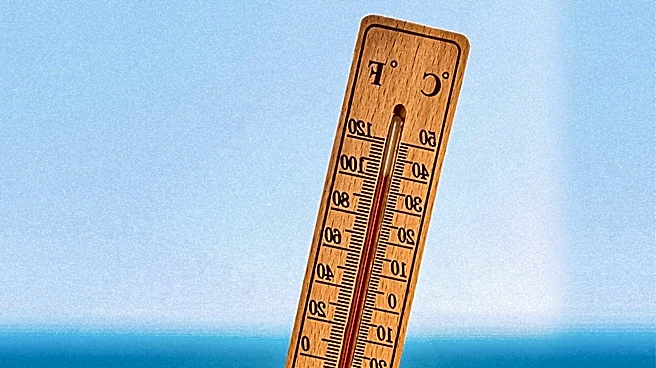
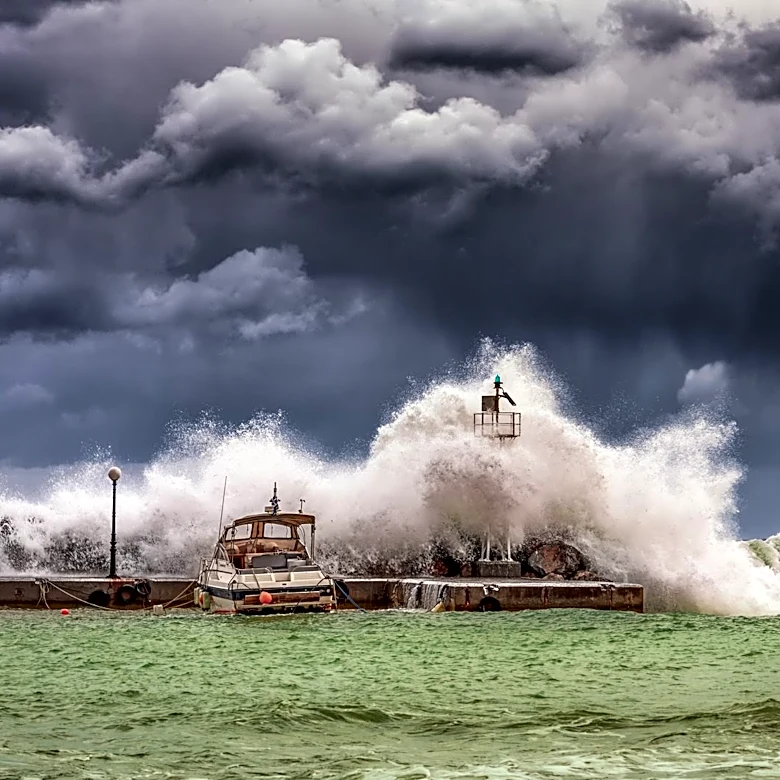
The latest global weather forecast reveals a range of extreme weather conditions affecting major cities worldwide. From thunderstorms in Kathmandu, Nepal, to record-tying heat in Denver, United States, the forecast highlights the diverse and challenging
weather patterns impacting different regions. Cities like Baghdad, Iraq, are experiencing breezy and very hot conditions, while places like Dublin, Ireland, are facing rain and drizzle. The forecast provides detailed information on temperature highs and lows, wind directions, and humidity levels, offering a comprehensive overview of global weather trends.
Why It's Important?
Understanding global weather patterns is crucial for various sectors, including agriculture, transportation, and disaster management. Extreme weather conditions can disrupt daily life, affecting travel plans, supply chains, and infrastructure. For the U.S., the forecast of record-tying heat in Denver underscores the importance of preparedness for heatwaves, which can impact public health and energy consumption. Globally, the diverse weather conditions highlight the need for adaptive strategies to mitigate the effects of climate change, ensuring resilience in the face of unpredictable weather events.
What's Next?
As extreme weather conditions continue to affect cities worldwide, governments and organizations may implement measures to enhance preparedness and response strategies. This could include investing in infrastructure to withstand severe weather, developing early warning systems, and promoting public awareness campaigns. The focus on climate resilience may also lead to increased research and collaboration on climate change mitigation efforts, aiming to reduce the impact of extreme weather on vulnerable populations and ecosystems.
Beyond the Headlines
The global weather forecast serves as a reminder of the interconnectedness of climate systems and the shared challenges faced by countries worldwide. It highlights the importance of international cooperation in addressing climate change and developing sustainable solutions. The forecast may also influence policy decisions, encouraging governments to prioritize environmental protection and climate adaptation strategies. Additionally, the emphasis on extreme weather conditions could drive innovation in technology and infrastructure, fostering advancements in renewable energy and sustainable urban planning.