





What's Happening?
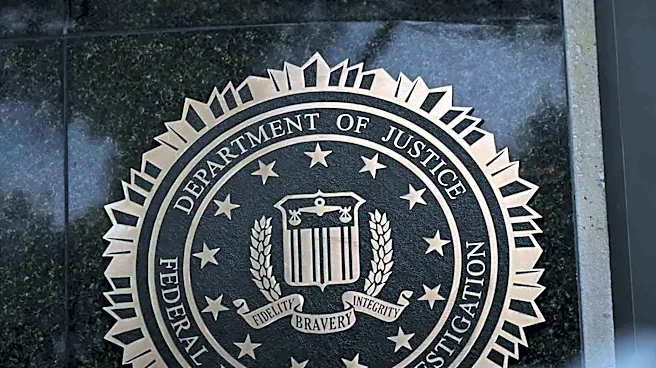
The Federal Bureau of Investigation (FBI) has issued a public warning regarding various fraud schemes designed to exploit the upcoming 2026 election season. Scammers are reportedly using names, images, logos, and slogans of candidates to solicit campaign
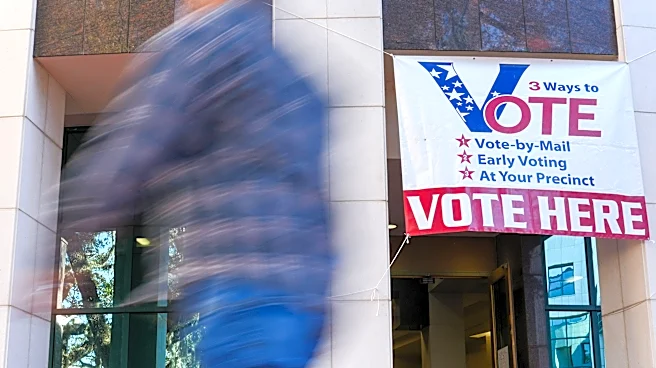
contributions, sell non-existent goods, or steal personal information for other fraudulent activities. A significant concern highlighted by the FBI is the increasing use of artificial intelligence (AI) tools to generate highly realistic voices, images, and written messages that impersonate candidates, campaigns, government entities, and trusted contacts. These scams manifest in several forms, including 'campaign investment pool schemes' that promise guaranteed returns on contributions, 'Political Action Committee schemes' that trick victims into donating to fraudulent PACs, online purchase schemes for political merchandise that never ships, and 'voter registration schemes' that direct individuals to fake state voter registration pages to steal personal data. The FBI advises caution with unsolicited communications and recommends verifying information on the Federal Election Commission (FEC) website.
Why It's Important?
This FBI warning is crucial for protecting the integrity of the U.S. electoral process and safeguarding citizens from financial fraud and identity theft. The proliferation of AI-generated content makes it increasingly difficult for the public to distinguish legitimate communications from fraudulent ones, potentially eroding trust in political campaigns and official entities. The financial implications for victims can be substantial, ranging from lost campaign contributions to compromised personal information leading to identity theft. Furthermore, these scams can sow confusion and distrust among voters, potentially impacting voter turnout and public perception of the democratic process. The exploitation of political enthusiasm for fraudulent purposes undermines civic engagement and poses a significant challenge to law enforcement and cybersecurity efforts during election cycles.
What's Next?
In response to these threats, the FBI is urging the public to remain vigilant and report any suspicious activities to their local FBI field office. Voters are advised to exercise extreme caution with unsolicited calls, texts, emails, or surveys and to avoid providing personally identifiable information or clicking unknown links. The FBI also recommends verifying the registration and financial filings of Political Action Committees, parties, or candidate committees on the Federal Election Commission (FEC) website. Additionally, individuals should confirm that unsolicited contact information is genuinely associated with the organization it claims to represent and research companies before making purchases. The ongoing development of AI tools suggests that these types of scams may become more sophisticated, necessitating continuous public education and enhanced cybersecurity measures from government agencies and campaigns.
Beyond the Headlines
The rise of AI-powered election scams highlights a broader societal challenge concerning the ethical implications and potential misuse of advanced technology. The ability to generate highly realistic impersonations of individuals and organizations raises profound questions about digital authenticity and the spread of misinformation. This trend could lead to a future where distinguishing between genuine and fabricated content becomes increasingly difficult, impacting not only elections but also public discourse, journalism, and personal interactions. Addressing this challenge will require a multi-faceted approach involving technological solutions for content verification, robust legal frameworks to prosecute digital fraud, and comprehensive public education initiatives to foster critical digital literacy. The integrity of democratic processes and public trust in information sources are at stake, underscoring the urgent need for proactive measures.