


What's Happening?
The President Trump administration has released a list of 14 recent achievements, emphasizing its commitment to putting American people first. Key wins include a Supreme Court ruling that cleared the way for an executive order tightening mail-in voting
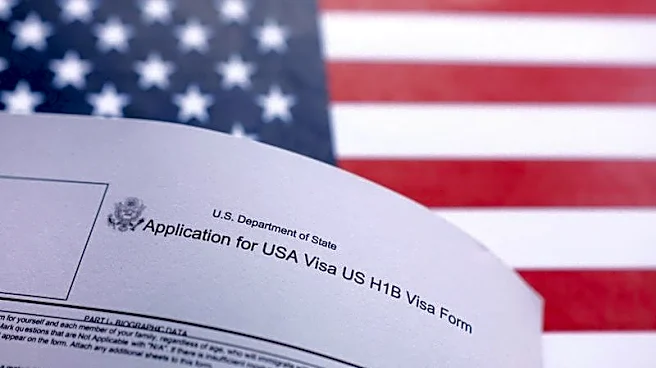
rules ahead of the November midterm elections. This ruling overturned a lower court's block on the order, which 23 Democratic-led states had argued unconstitutionally infringed on their authority to administer elections. Another significant achievement is the administration's plan to revoke business and tourism visas for up to 200,000 foreigners who have applied for or are seeking asylum status in the U.S., marking what is described as the largest mass visa revocation in history. Additionally, the administration has cut illegal immigrants off from four major refundable tax credit programs, including adoption, child, American opportunity, and earned income tax credits, a move estimated to save taxpayers $3 billion. Other highlighted successes include a 22% drop in fentanyl-linked deaths, increased ICE arrests, and positive economic indicators such as expanding business activity in the U.S. and the Philadelphia area, and Amazon's plan to build a multibillion-dollar robotics plant in Texas.
Why It's Important?
This compilation of achievements by the President Trump administration serves as a comprehensive overview of its policy priorities and their perceived impacts across various sectors. The Supreme Court's decision on mail-in voting rules is particularly significant, as it directly influences the administration of elections and could affect voter access and participation in upcoming midterms, reflecting a broader national debate on election integrity. The mass visa revocation and changes to tax credit eligibility for non-citizens underscore a stringent approach to immigration and fiscal policy, aiming to reduce taxpayer burden and control immigration flows. The reported decline in fentanyl deaths highlights the administration's focus on combating the opioid crisis, while increased ICE arrests signal a continued emphasis on immigration enforcement. Economically, the reported expansion of business activity and major investments like Amazon's robotics plant point to efforts to stimulate growth and create jobs. These achievements collectively paint a picture of an administration actively pursuing its agenda, with potential long-term implications for U.S. politics, economy, and social fabric.
What's Next?
The Supreme Court's ruling on mail-in voting rules will likely lead to the implementation of the executive order, potentially altering voting procedures for the upcoming November midterm elections and setting a precedent for future electoral cycles. This could prompt further legal challenges or legislative efforts from states and advocacy groups. The planned mass visa revocations are expected to proceed, leading to a significant reduction in the number of foreigners with B1 and B2 visas who have sought asylum, which will have direct consequences for individuals and could draw international attention and criticism. The changes to tax credit eligibility for non-citizens will result in substantial savings for taxpayers, but may also face scrutiny from immigrant rights organizations. The administration will likely continue to monitor and report on the progress of its initiatives, particularly in areas like drug enforcement and economic development, as these are key components of its platform. Future policy decisions and public discourse will undoubtedly be shaped by the outcomes and reactions to these highlighted achievements.
Beyond the Headlines
The administration's emphasis on these 14 achievements reveals a strategic narrative designed to showcase effectiveness and fulfill campaign promises. Beyond the immediate policy impacts, the focus on election integrity, immigration enforcement, and fiscal conservatism reflects a deeper ideological commitment that resonates with a significant portion of the electorate. The Supreme Court's intervention in voting rules highlights the increasing politicization of judicial decisions and their direct influence on democratic processes. The crackdown on visa applications and tax credits for non-citizens, while framed as protecting American interests, also raises ethical questions about humanitarian responsibilities and the treatment of vulnerable populations. The reported economic gains, such as the Amazon plant, symbolize a broader push for domestic investment and job creation, but also invite scrutiny into the equitable distribution of these benefits. This curated list of 'wins' serves not only as a report card but also as a blueprint for future policy directions, shaping the national conversation and influencing the political landscape for years to come.