






What's Happening?
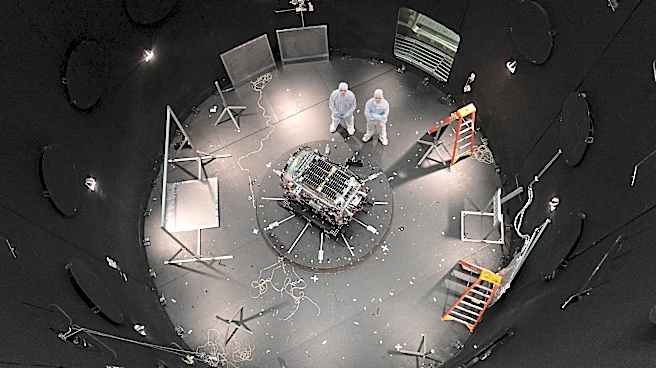
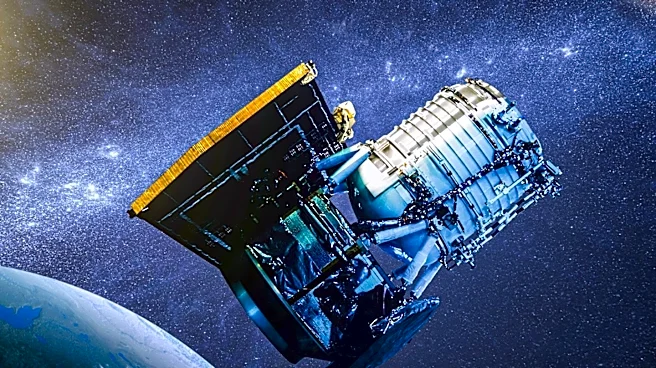
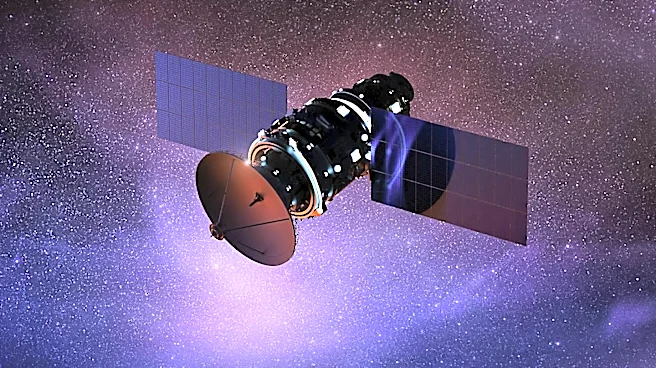
The launch of Katalyst Space's robotic servicing spacecraft, LINK, intended to boost the orbit of NASA's Neil Gehrels Swift Observatory, has been postponed due to unfavorable weather conditions. The mission, which was scheduled to launch from Kwajalein
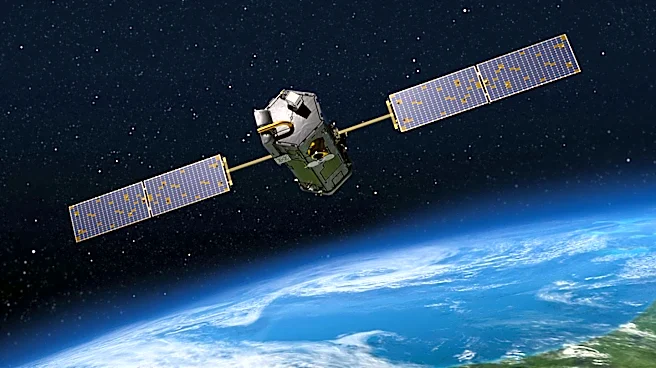
Atoll in the Marshall Islands, will now attempt to launch no earlier than July 2, 2026. The spacecraft is set to be launched aboard Northrop Grumman's Pegasus XL rocket. This mission is crucial for extending the operational life of the Swift Observatory, which plays a key role in observing gamma-ray bursts and other cosmic phenomena.
Why It's Important?
The delay in launching the LINK spacecraft highlights the challenges of space missions, where weather conditions can significantly impact timelines. The Swift Observatory is vital for astrophysical research, and extending its operational life ensures continued contributions to our understanding of the universe. The mission underscores the importance of maintaining and upgrading space infrastructure to support scientific discovery. Delays can affect research schedules and funding allocations, emphasizing the need for contingency planning in space operations.
What's Next?
The next launch attempt is scheduled for July 2, 2026, pending weather conditions. Continued monitoring of weather patterns will be crucial to ensure a successful launch. If successful, the mission will enhance the Swift Observatory's capabilities, allowing it to continue its scientific mission. Stakeholders, including NASA and Katalyst Space, will remain vigilant in coordinating efforts to mitigate further delays.