








What's Happening?
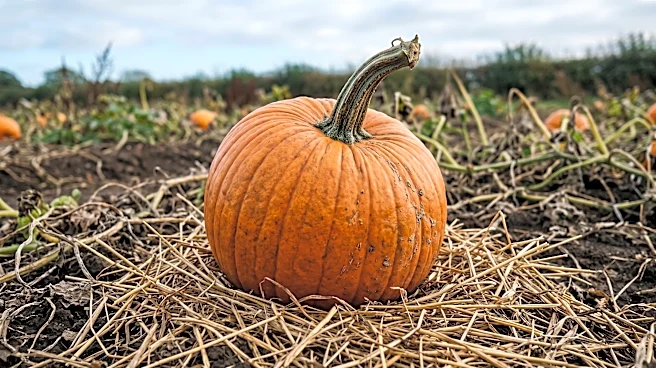
The Will County Health Department in Illinois is investigating an outbreak of Shiga toxin-producing E. coli (STEC) potentially linked to Bengtson's Pumpkin Farm in Homer Glen. Five cases of E. coli have been reported, prompting the voluntary closure of the popular
pumpkin farm and petting zoo. Laboratory tests have connected the cases to the farm. The health department has issued an urgent warning for individuals who recently visited Bengtson's Pumpkin Farm and are experiencing symptoms such as bloody diarrhea or severe stomach cramps to contact their healthcare provider. The bacteria, STEC, is more dangerous than typical E. coli as it can cause life-threatening complications due to the Shiga toxin. It is found in the intestinal tracts of both humans and animals and can spread through contaminated food, water, surfaces, or contact with infected animals or individuals. Symptoms can appear between one and ten days after exposure, and people are advised to seek immediate medical attention for signs of dehydration, decreased urination, or unusual fatigue.
Why It's Important?
This E. coli outbreak highlights significant public health concerns, particularly regarding food safety and animal contact in recreational settings. The voluntary closure of Bengtson's Pumpkin Farm underscores the immediate impact such incidents have on local businesses and the broader agricultural tourism industry. For consumers, the risk of STEC infection, which can lead to severe gastrointestinal issues and potentially life-threatening complications, emphasizes the importance of hygiene and prompt medical attention. The investigation by the Will County Health Department is crucial for identifying the source of contamination, preventing further spread, and implementing necessary safety protocols. This event serves as a reminder for both operators of public venues and visitors about the critical need for stringent sanitation practices, especially in environments where there is interaction with animals and food. The potential for widespread illness and the economic repercussions for affected businesses make this a matter of considerable public and economic importance.
What's Next?
The Will County Health Department will continue its thorough investigation to determine how the infections occurred, working closely with Bengtson's Pumpkin Farm, which has been fully cooperative. Animal testing is being arranged to identify potential carriers of the bacteria. The health department will likely provide further updates on the investigation's findings and any additional public health recommendations. Visitors who have been to the farm recently are urged to monitor for symptoms and seek medical advice if they develop. Future actions may include enhanced public health guidelines for petting zoos and similar agricultural attractions to prevent such outbreaks. Depending on the investigation's outcome, there could be discussions about stricter regulations or mandatory health and safety training for staff at such facilities to ensure public safety and prevent recurrence.
Beyond the Headlines
Beyond the immediate health crisis, this incident brings to light the broader challenges of managing public health risks in settings that blend recreation with animal interaction. The voluntary closure of a popular local attraction like Bengtson's Pumpkin Farm can lead to significant financial losses for the business and impact local tourism, especially during peak seasons. It also raises questions about consumer confidence in the safety of such venues and the effectiveness of current oversight mechanisms. The long-term implications could include a re-evaluation of liability and insurance for businesses hosting petting zoos, as well as increased public demand for transparency regarding health inspections and safety records. This event may also spur educational campaigns on proper hand hygiene and safe animal interaction practices for both children and adults, aiming to mitigate future risks in similar environments.