



What's Happening?
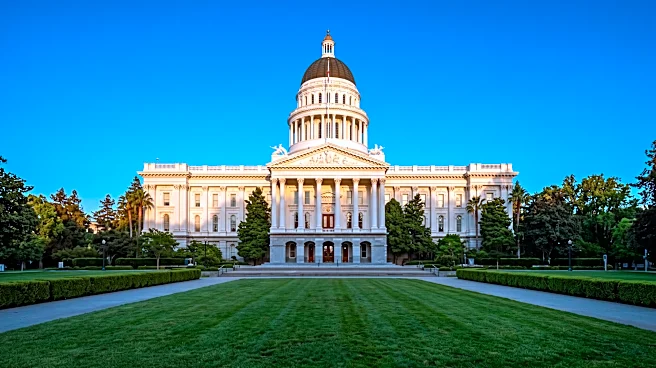
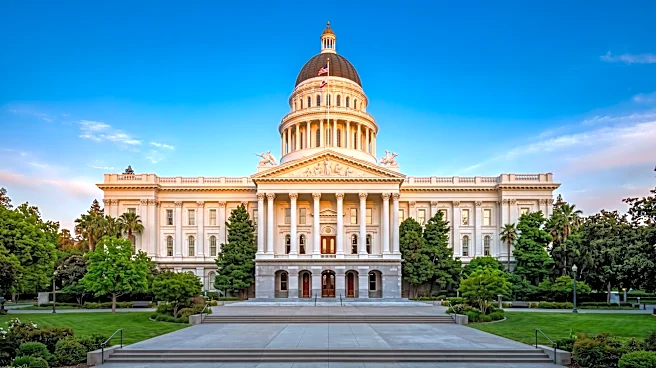
California lawmakers have concluded their legislative session, passing several significant bills covering energy, artificial intelligence, and wildfire liability. In the energy sector, legislation was approved to allow consumers to install solar panels
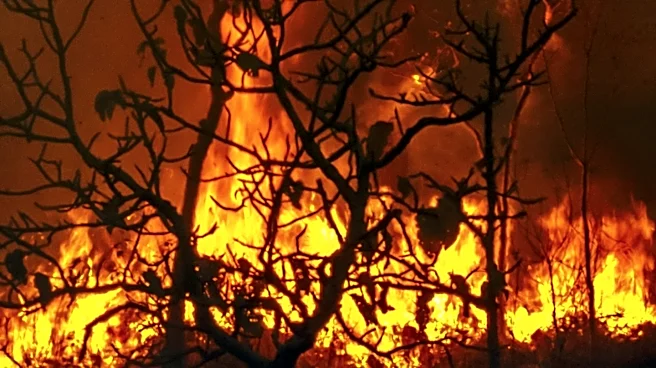
without an interconnection agreement with utility providers, a move aimed at promoting plug-in solar technology. Bills were also passed to accelerate the installation of heat pumps in homes and advance fusion energy development. Regarding artificial intelligence, a new bill prohibits the knowing use of AI to falsely represent a real person engaging with a government agency, addressing concerns about AI's impact on civic engagement. Additionally, legislative leaders announced a deal on wildfires sparked by utility companies. This agreement establishes a program for quicker damage claim payments, prevents short-term bonuses for utility CEOs responsible for fires, and limits attorneys seeking to represent victims. Governor Gavin Newsom had sought additional provisions to restrict insurance companies from recovering funds from utilities after fires, but these were not included in the final deal.
Why It's Important?
These legislative outcomes have substantial implications for California's economy, environment, and public safety. The energy bills, particularly those promoting solar and heat pump installations, are crucial steps towards the state's renewable energy goals and climate change mitigation efforts. By streamlining solar panel installation, California aims to increase energy independence and reduce reliance on traditional utility grids. The AI bill is a proactive measure to safeguard the integrity of government interactions and public discourse against potential misuse of artificial intelligence, setting a precedent for how states might regulate AI in civic contexts. The wildfire liability deal is critical for both utility companies and wildfire victims. It seeks to expedite compensation for those affected by fires while also introducing accountability measures for utility executives. The compromise reached, despite Governor Newsom's desire for stronger provisions against insurance company recovery, reflects the complex balance between protecting consumers, ensuring utility financial stability, and addressing the escalating costs of wildfire damages in the state.
What's Next?
The passed bills now await Governor Gavin Newsom's signature. His decision on these measures will determine their immediate implementation and impact. The energy bills are expected to lead to increased adoption of renewable energy technologies and energy-efficient systems across the state. The AI legislation will likely prompt government agencies to develop protocols for verifying the authenticity of interactions and submissions, and potentially influence how AI is used in public-facing applications. For wildfire liability, the new program for damage claims will begin to take shape, potentially offering a more streamlined process for victims to receive compensation. However, the limitations on insurance company recovery, or lack thereof, could continue to be a point of contention in future legislative sessions. The ongoing efforts to address climate change and technological advancements suggest that these areas will remain central to California's legislative agenda, with further regulations and policies likely to emerge in response to evolving challenges and opportunities.
Beyond the Headlines
The legislative session's outcomes reveal deeper trends in California's governance and societal priorities. The push for renewable energy and energy efficiency underscores the state's commitment to environmental leadership and its role as a testing ground for green technologies. The AI legislation reflects a growing awareness of the ethical and practical challenges posed by advanced technologies, particularly in maintaining trust and authenticity in public services. The wildfire liability deal highlights the profound and ongoing impact of climate change on California, forcing a re-evaluation of legal and financial frameworks to manage natural disasters. The dynamic between Governor Newsom and the legislature, particularly his diminishing influence on certain issues, suggests a potential shift in political power dynamics within the state. This could lead to a more collaborative, or at times more contentious, legislative process in the future, as various stakeholders vie for influence in shaping California's policy landscape.