
What's Happening?
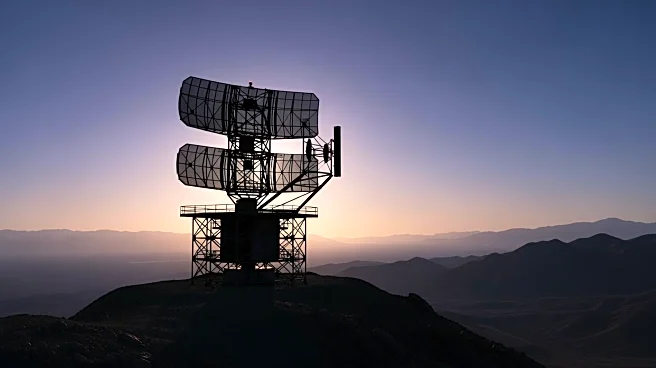
Turkey has deployed an advanced radar system, the HTRS-100, at Damascus International Airport. This system, produced by the Turkish defense company ASELSAN, is designed to provide precise detection and
tracking of aerial targets. The deployment is seen as a significant infrastructure upgrade for Syria's main aviation hub. Western sources have expressed concerns that this move could limit Israel's freedom of action in Syrian airspace, potentially heightening regional tensions.
Why It's Important?
The deployment of the radar system by Turkey in Syria represents a strategic shift in the region's military dynamics. For Israel, which has conducted operations in Syrian airspace to counter threats from Iran and other adversaries, this development could pose operational challenges. The radar system's ability to detect and track aircraft could restrict Israel's military maneuvers, impacting its security strategy. This move by Turkey may also signal a strengthening of its influence in Syria, which could alter the balance of power in the region.
What's Next?
Israel may need to reassess its military strategies in response to the new radar capabilities. Diplomatic efforts could be initiated to address the potential restrictions on Israeli air operations. Additionally, regional stakeholders, including the United States and other allies, may engage in discussions to mitigate tensions and ensure stability. The situation could lead to increased diplomatic and military interactions as countries navigate the implications of Turkey's actions.