






What's Happening?
The Namaygoosisagagun First Nation, a remote Indigenous community in northwestern Ontario, was forced to evacuate due to rapidly advancing wildfires. Initially, residents were informed by the Ministry of Natural Resources that there was no immediate danger.
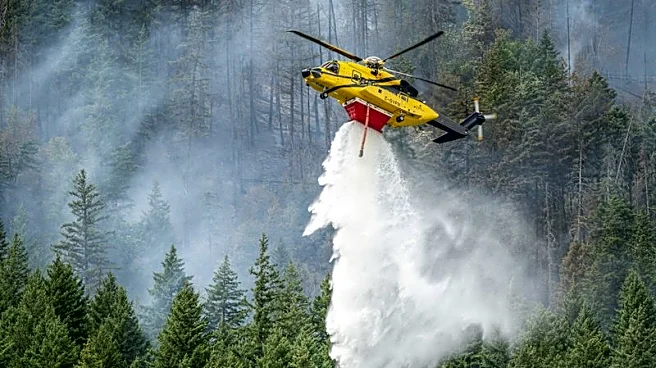
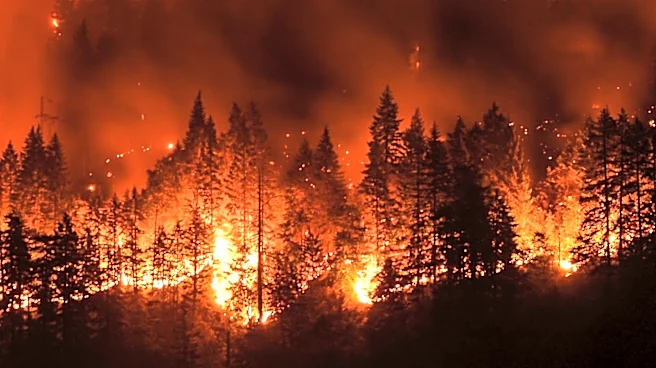
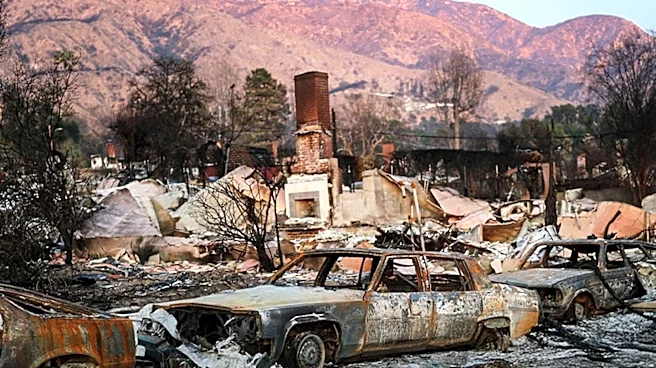
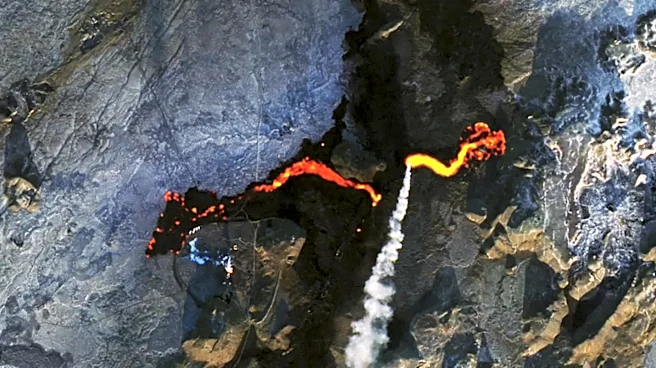
However, the situation quickly escalated, prompting a hasty evacuation. The community, also known as Collins First Nation, lacks road access and relies on a railway line and Collins Lake for transportation. As the fires approached, residents crowded into small aluminum boats to escape, leaving behind homes and pets. The fires are part of a larger wildfire crisis in Canada, with 889 active fires reported, including 163 in Ontario. The destruction in Collins has highlighted gaps in wildfire preparedness and the need for more resources to protect vulnerable communities.
Why It's Important?
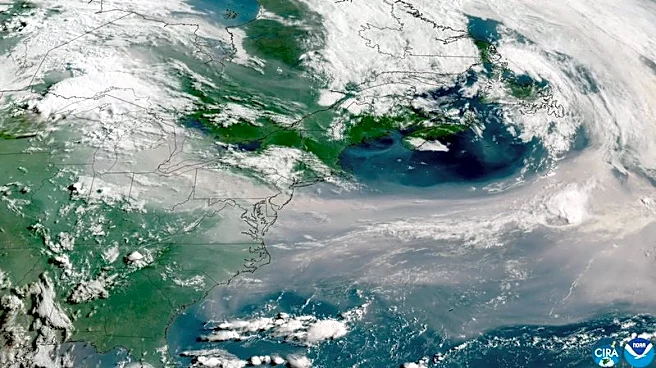
The evacuation of the Namaygoosisagagun First Nation underscores the increasing threat of wildfires in Canada and the challenges faced by remote communities. The situation raises concerns about the adequacy of current wildfire management strategies, particularly for Indigenous communities that often lack sufficient resources and support. The fires have not only destroyed homes and infrastructure but also disrupted lives, with evacuees relying on temporary accommodations and support from organizations. The broader impact includes deteriorating air quality, affecting regions far from the fire zones, and posing health risks to vulnerable populations. This event highlights the urgent need for improved wildfire preparedness and response strategies to protect communities and mitigate the effects of climate change.
What's Next?
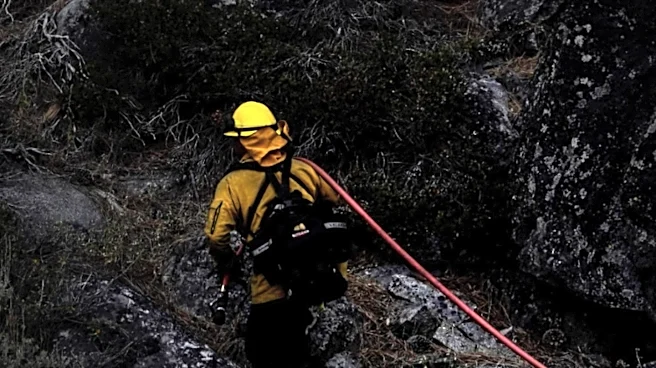
In the aftermath of the evacuation, the Namaygoosisagagun First Nation community plans to rebuild and return home. The Ontario government has pledged to review its response to the fires and address the gaps in wildfire preparedness. There is a call for increased firefighting resources, prescribed burns, and fire breaks to prevent future disasters. The situation also emphasizes the need for federal recognition and support for Indigenous communities to ensure they receive adequate assistance during emergencies. As the fires continue to burn, air quality warnings remain in effect, and residents in affected areas are advised to take precautions to protect their health.
Beyond the Headlines
The evacuation of the Namaygoosisagagun First Nation highlights the broader issue of environmental justice and the disproportionate impact of climate-related disasters on Indigenous communities. These communities often face systemic challenges, including limited access to resources and support, which exacerbate the effects of such crises. The situation calls for a reevaluation of policies and practices to ensure equitable protection and support for all communities, particularly those most vulnerable to the impacts of climate change. Additionally, the event serves as a reminder of the urgent need for global action to address climate change and its consequences.