







What's Happening?
The International Court of Justice (ICJ) is currently deliberating on the case of The Gambia v. Myanmar, which could potentially redefine the concept of genocide. The case questions whether the deliberate use of hunger as a weapon can be classified as genocide under
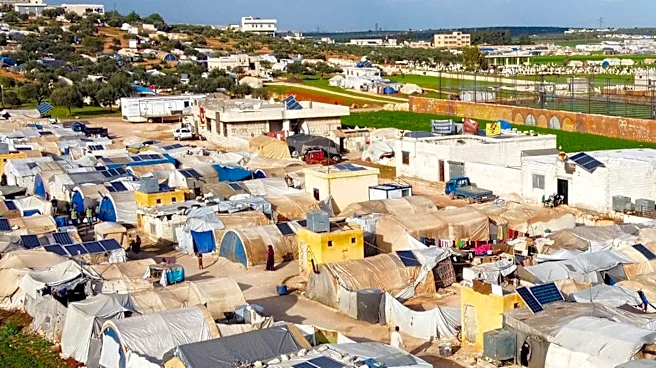
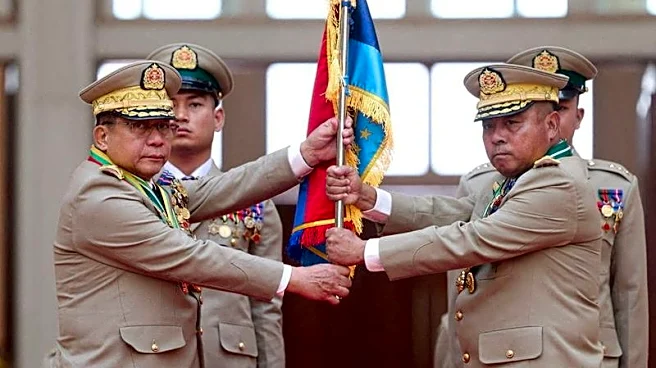
international law. This deliberation focuses on Article II(c) of the Genocide Convention, which prohibits inflicting conditions of life intended to destroy a group. Historically, this provision has been overlooked, with more emphasis placed on direct violence. The case highlights Myanmar's military strategy, which has systematically dismantled the Rohingya community's ability to sustain itself, using hunger as a tool of state policy. This strategy includes restrictions on movement, confiscation of agricultural equipment, and other measures that have severely impacted the Rohingya's capacity to survive.
Why It's Important?
The outcome of this case could have significant implications for international law and the way genocide is understood and prosecuted. If the ICJ recognizes the weaponization of hunger as a form of genocide, it could lead to broader accountability for states that use similar tactics. This would not only impact Myanmar but could also influence global policies on humanitarian aid and conflict resolution. The decision could set a precedent for how international bodies address systematic deprivation and its role in ethnic and political conflicts. It may also prompt a reevaluation of current humanitarian strategies and the need for more robust international interventions in similar situations.
What's Next?
The ICJ's decision could lead to increased international pressure on Myanmar and potentially other nations employing similar strategies. It may also result in calls for stronger international mechanisms to prevent and respond to the use of hunger as a weapon. Human rights organizations and international bodies might push for more comprehensive monitoring and reporting systems to identify and address such tactics early. Additionally, the ruling could influence future cases brought before the ICJ, expanding the scope of what constitutes genocide and how it is prosecuted.