






What's Happening?
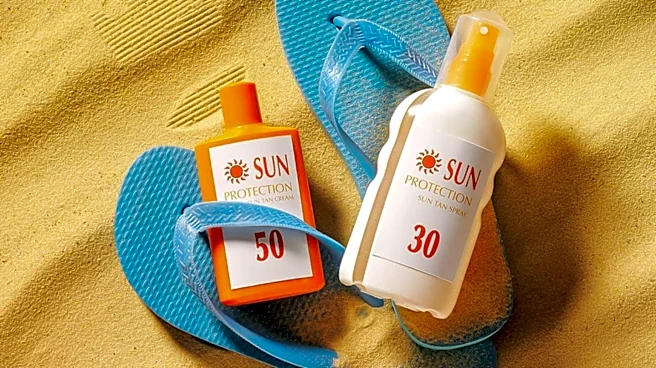
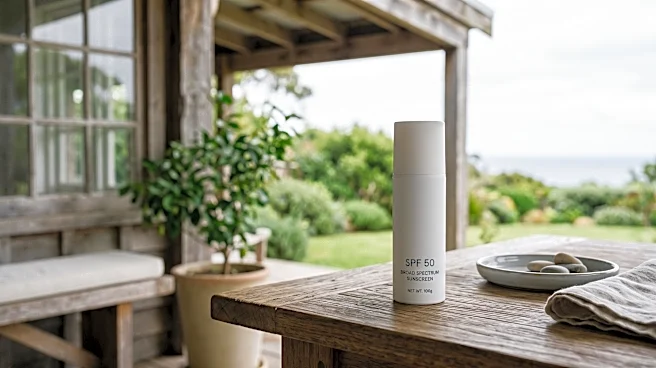
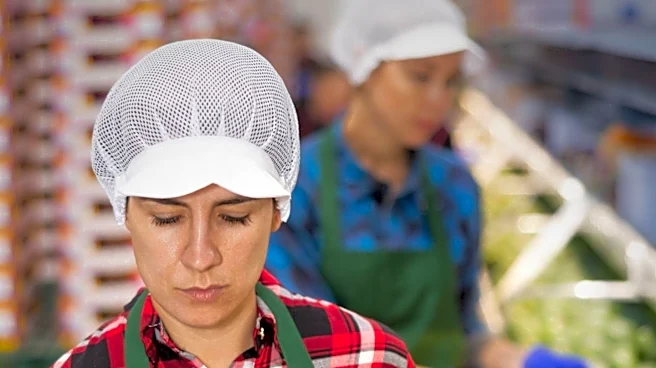
The Skin Cancer Foundation and AgriSafe Network are advocating for increased SPF awareness, particularly among agricultural workers who face significant exposure to UV radiation. They recommend using broad-spectrum sunscreen with an SPF of 50 or higher.
This recommendation includes reapplying sunscreen every two hours, or more frequently if sweating, and seeking shade during peak UV hours, typically between 10 AM and 4 PM. For children, high SPF sunscreens, such as SPF 50, are specifically advised to protect against UVB rays, which are known to cause sunburn and contribute to long-term skin damage. The initiative highlights that sun exposure is a primary driver of visible skin aging, and consistent tracking of UV levels can reinforce the habit of regular sunscreen use. This guidance aims to mitigate the risks associated with prolonged sun exposure in outdoor professions.
Why It's Important?
This emphasis on SPF awareness is crucial for public health, especially for vulnerable populations like agricultural workers. These individuals often spend extended periods outdoors, making them highly susceptible to the detrimental effects of UV radiation, including an increased risk of skin cancer. By promoting the use of high SPF, broad-spectrum sunscreens and encouraging protective behaviors like seeking shade, these organizations aim to reduce the incidence of skin cancer and other sun-related skin damage. The long-term health implications of inadequate sun protection can lead to significant healthcare costs and reduced quality of life for affected individuals. Furthermore, educating the public, particularly parents, about the importance of high SPF for children can establish lifelong sun-safe habits, thereby reducing future skin cancer rates and associated burdens on the healthcare system. This initiative underscores the importance of preventative health measures in occupational settings and for general well-being.
What's Next?
Moving forward, the Skin Cancer Foundation and AgriSafe Network are expected to continue their educational campaigns, potentially expanding outreach to other outdoor professions and communities with high sun exposure. This may involve developing more accessible educational materials, collaborating with employers to implement sun safety protocols, and advocating for policies that support sun protection in workplaces. There could also be an increased focus on integrating UV awareness into public health curricula and promoting the availability of affordable, high-quality sunscreens. Additionally, ongoing research into the most effective sun protection strategies and the long-term impacts of UV exposure will likely inform future recommendations. The goal is to foster a culture where sun protection is a routine and prioritized aspect of daily life, especially for those most at risk.
Beyond the Headlines
Beyond the immediate health benefits, this campaign touches upon broader societal and economic implications. The focus on agricultural workers highlights an often-overlooked occupational health hazard, drawing attention to the need for better protective measures and awareness in labor-intensive outdoor industries. Ethically, it underscores the responsibility of employers and public health bodies to safeguard the well-being of workers. Economically, reducing skin cancer rates can lead to decreased healthcare expenditures and increased productivity, as fewer individuals would suffer from debilitating sun-related illnesses. Culturally, the initiative challenges existing norms around sun exposure, particularly the perception that tanning is desirable, and promotes a shift towards valuing sun-safe practices. This effort contributes to a larger public health movement advocating for preventative care and environmental health awareness.