




What's Happening?
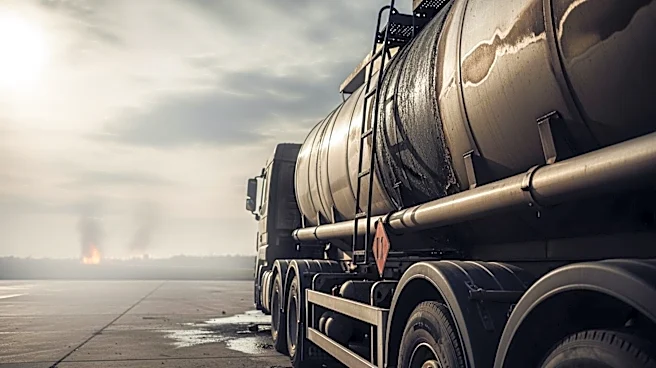
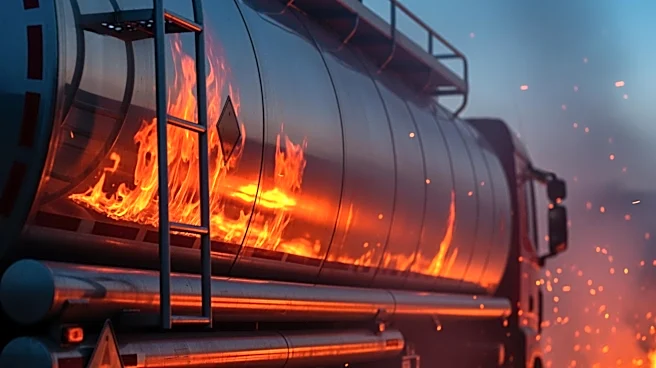
A tragic incident occurred at the Carolina Beverage Group in Mooresville, North Carolina, where a tanker explosion resulted in the death of one individual and serious injury to another. The explosion took place around 7 a.m. on Tuesday at the plant located
on Barley Park Lane. The Iredell County Sheriff’s Office confirmed that the tanker operator was killed, while another worker assisting at the time sustained serious injuries and was hospitalized. Emergency responders, including hazmat and fire crews, quickly arrived at the scene. The explosion was attributed to sodium hydroxide, a chemical used in cleaning supplies, which also caused a secondary leak on a stationary nitrogen tank. This leak has since been contained, and officials have assured that there is no current danger to the community. However, the public is advised to avoid the area as cleanup efforts continue. The investigation will be handed over to the National Transportation Safety Board, with the North Carolina division of the Occupational Safety and Health Administration also involved.
Why It's Important?
The explosion at the Mooresville beverage plant highlights significant safety concerns related to the handling and storage of hazardous chemicals like sodium hydroxide. This incident underscores the critical need for stringent safety protocols and emergency response plans in industrial settings, particularly those involving hazardous materials. The event could lead to increased scrutiny and regulatory oversight from safety agencies, potentially impacting operational practices at similar facilities nationwide. The tragedy also raises awareness about the risks faced by workers in such environments, emphasizing the importance of protective measures and training to prevent future accidents. The involvement of federal and state safety boards in the investigation may lead to new safety recommendations or regulations, affecting the broader industry.
What's Next?
Following the containment of the chemical leak, the focus will shift to a thorough investigation by the National Transportation Safety Board and the Occupational Safety and Health Administration. These agencies will likely examine the plant's safety protocols, equipment maintenance records, and compliance with hazardous materials regulations. The findings could result in recommendations for improved safety measures or even regulatory changes. The Carolina Beverage Group may face legal and financial repercussions, including potential fines or lawsuits. The company will need to cooperate with investigators and possibly implement changes to prevent future incidents. The local community and industry stakeholders will be closely monitoring the situation for updates and outcomes.