
What's Happening?
The U.S. Congress is actively working on legislation aimed at addressing the dual challenges of high housing costs and limited housing supply. A recent report highlights that the housing market is particularly
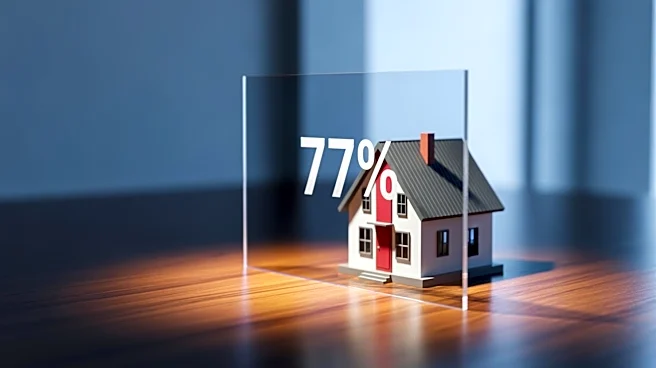
unaffordable for middle-class families, with home prices rising faster than incomes. The report, from Realtor.com and the National Association of Realtors, indicates that middle-income families, earning around $75,000 annually, can now afford less than a quarter of homes on the market, a significant drop from pre-pandemic levels. The proposed bill in Congress seeks to alleviate these issues by encouraging construction and reducing regulatory barriers for builders. It includes measures to streamline building codes for modular homes and limit corporate investors from purchasing large numbers of homes, thereby reducing competition for individual buyers.
Why It's Important?
The housing crisis has significant implications for the U.S. economy and society. High housing costs and limited availability can stifle economic mobility and exacerbate inequality. By making homes more affordable and increasing supply, the proposed legislation could provide relief to middle-class families struggling to find affordable housing. This could also stimulate economic growth by enabling more people to enter the housing market, thereby increasing demand for related goods and services. Additionally, reducing corporate competition in the housing market could help stabilize prices and make homeownership more accessible to individual buyers.
What's Next?
The bill, having passed the U.S. House, now returns to the Senate for further consideration. If approved, it could lead to significant changes in the housing market, particularly in terms of construction practices and investment regulations. Stakeholders, including builders, investors, and potential homebuyers, will be closely monitoring the legislative process. The outcome could influence future housing policies and market dynamics, potentially setting a precedent for how the U.S. addresses housing affordability and supply issues in the long term.