
What's Happening?
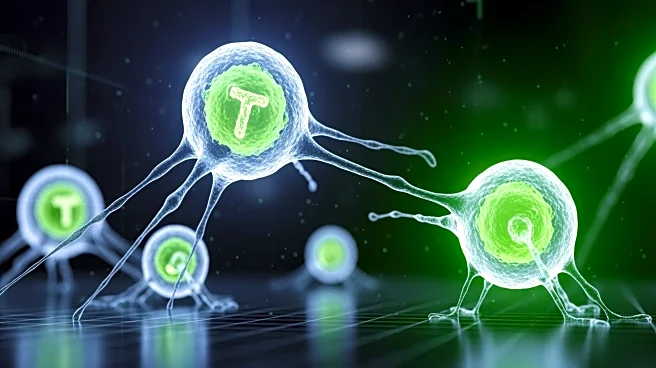
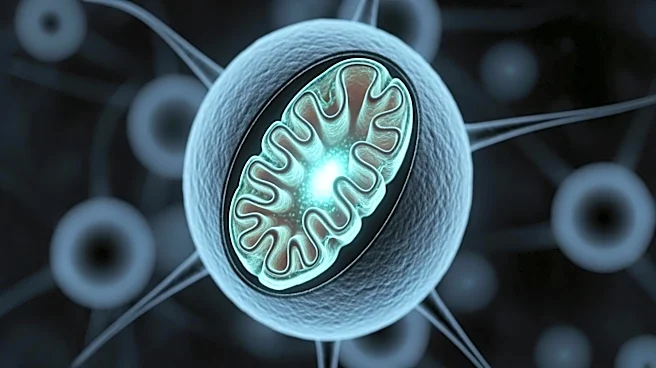
Researchers have identified a critical reason why dendritic cells, a type of immune cell, lose their effectiveness inside tumors. The study, conducted in mice, found that the mitochondria within these
cells become debilitated, impairing their ability to enlist the body's immune defenses against cancer. When dendritic cells with robust mitochondria were injected into mice with cancer, the growth of tumors slowed significantly. This discovery could have significant implications for cancer therapies that utilize the immune system, known as immunotherapies. These therapies have shown success against difficult-to-treat tumors, but their benefits are often limited or temporary. The study suggests that improving the fitness of dendritic cells could enhance the effectiveness of these treatments.
Why It's Important?
The findings highlight the importance of mitochondrial health in dendritic cells for effective cancer immunotherapy. Dendritic cells play a crucial role in activating cytotoxic T cells, which are responsible for attacking cancer cells. In solid tumors, such as breast and colon cancers, dendritic cells are often rare and defective, limiting the effectiveness of immunotherapies. By understanding the metabolic signature of dendritic cells, researchers can potentially develop strategies to improve their function and enhance the immune response against cancer. This could lead to more effective treatments and better outcomes for patients with difficult-to-treat tumors.
What's Next?
Further research is needed to explore how the findings can be translated into clinical applications. Scientists may investigate ways to enhance mitochondrial function in dendritic cells or develop therapies that target the metabolic pathways involved. Additionally, clinical trials could be conducted to test the effectiveness of these approaches in human patients. The study opens new avenues for improving cancer immunotherapy and could lead to advancements in treatment strategies.
Beyond the Headlines
The study underscores the complex interplay between cellular metabolism and immune function. It highlights the potential for targeting metabolic pathways to enhance immune responses, not only in cancer but possibly in other diseases where immune function is compromised. This research could pave the way for a broader understanding of how cellular energy production impacts immune cell function and lead to novel therapeutic approaches.