





What's Happening?
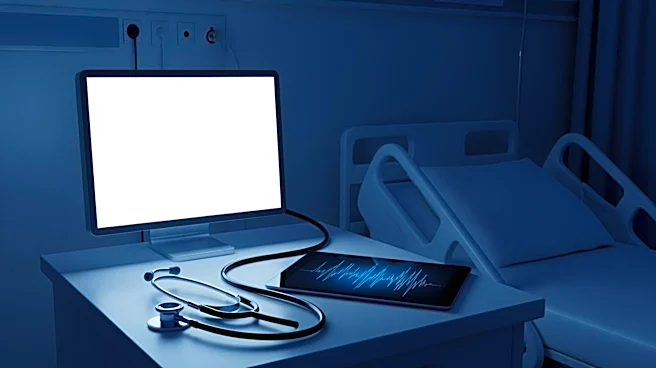
A lawsuit has been filed against Bridgeport Hospital Milford Campus following the death of Conor Hylton, a 26-year-old dental student, who died in the ICU while under the care of a remote 'tele-health' physician. The lawsuit alleges that Hylton was not
examined by an on-site doctor during his ICU stay, despite his condition worsening. Instead, the hospital relied on off-site tele-ICU providers. The lawsuit claims this violated hospital policy, as no on-site doctor assessed Hylton from the time of his admission until he exhibited seizure-like activity. The hospital has stated that it uses tele-health professionals to enhance patient care by pairing virtual monitoring with expert bedside teams.
Why It's Important?
This case highlights the growing reliance on tele-health services in critical care settings and raises questions about the adequacy of remote medical oversight. The outcome of this lawsuit could have significant implications for hospital policies regarding tele-health, particularly in ensuring that remote care does not compromise patient safety. It underscores the need for clear guidelines and protocols to ensure that tele-health complements, rather than replaces, essential on-site medical assessments. The case also brings attention to the communication challenges and potential risks associated with remote healthcare delivery.
What's Next?
The lawsuit will proceed through the legal system, potentially prompting a review of tele-health policies and practices at Bridgeport Hospital and other healthcare facilities. Hospitals may need to reassess their reliance on tele-health in critical care settings and ensure that adequate on-site medical support is available. The case could lead to broader discussions about the role of tele-health in healthcare delivery and the need for regulatory oversight to protect patient safety. Stakeholders, including healthcare providers, policymakers, and patient advocacy groups, may engage in dialogue to address these issues.