
What's Happening?
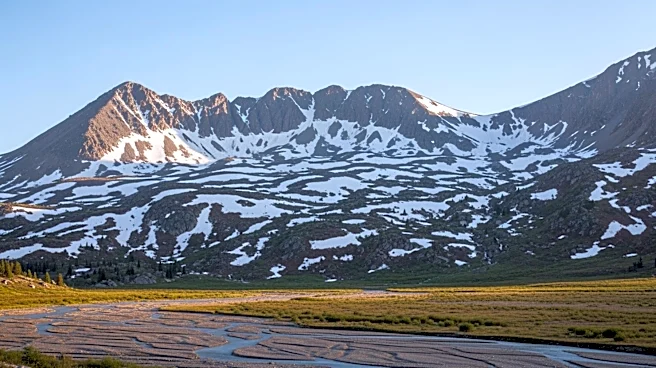
Karen Schlatter, Director of the Colorado Water Center at Colorado State University, has emphasized the critical role of snowpack in Colorado's water supply. The state is currently experiencing extreme
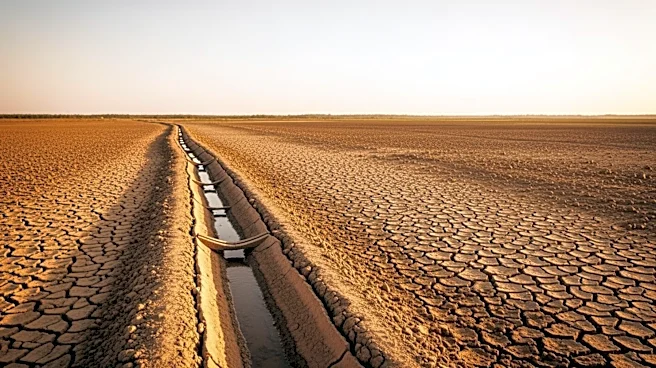
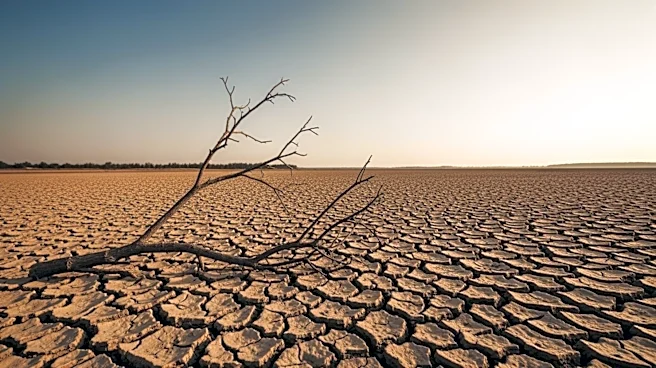
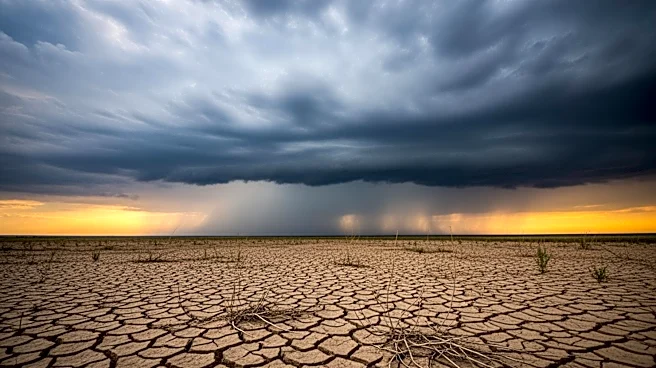
drought conditions, with low snowpack levels in the mountains exacerbating the situation. Snowpack serves as a natural reservoir, gradually releasing water as it melts, which is essential for meeting the state's water needs. The current low levels pose significant challenges for water management and supply, affecting agriculture, urban areas, and ecosystems.
Why It's Important?
The reliance on snowpack for water supply in Colorado is a crucial aspect of the state's environmental and economic stability. With drought conditions intensifying, the low snowpack levels threaten water availability for various sectors, including agriculture, which is a major economic driver. Urban areas may face water restrictions, impacting daily life and business operations. The situation underscores the need for effective water management strategies and highlights the broader implications of climate variability on regional water resources.
What's Next?
In response to the ongoing drought and low snowpack levels, Colorado may need to implement water conservation measures and explore alternative water sources. Policymakers and water management authorities will likely focus on developing strategies to mitigate the impact of water shortages. This could involve investing in infrastructure to capture and store water more efficiently, as well as promoting conservation practices among residents and businesses. The situation also calls for increased research and monitoring to better understand and adapt to changing climate patterns.