







What's Happening?
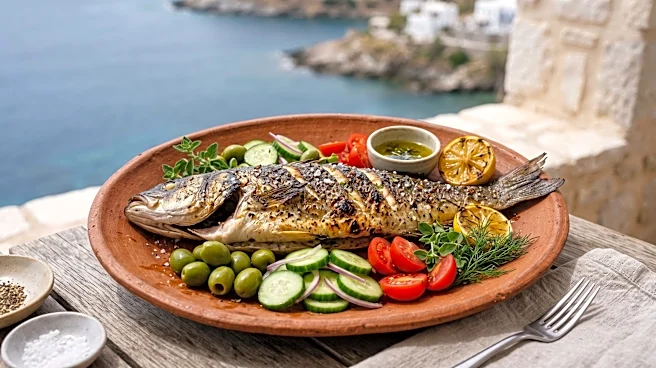
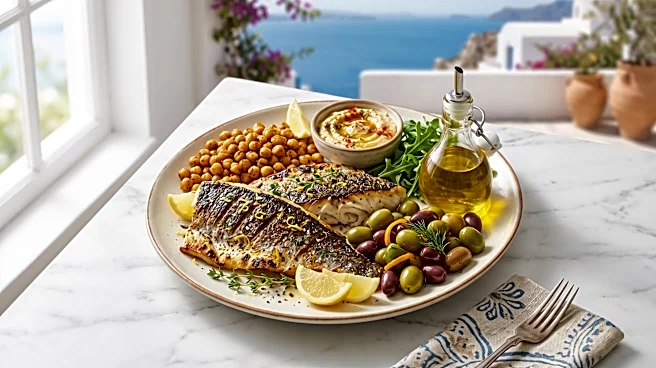
A study from the Project Viva cohort, involving 1,324 mother-infant pairs, indicates that higher maternal adherence to a Mediterranean-style diet during pregnancy is associated with a lower risk of infants developing both colic and eczema. Researchers
assessed maternal diet quality in early and mid-pregnancy using the Mediterranean Diet Score (MDS) and the Dietary Inflammatory Index (DII). The findings revealed that for each one-point increase in the MDS, there was a 15% reduction in the odds of infants experiencing both conditions. Conversely, a more proinflammatory dietary pattern was linked to a significantly higher risk of the combined colic-and-eczema phenotype. The study also highlighted that increased seafood intake during pregnancy might offer protective benefits, while avoiding common allergenic foods was not supported by the data as a risk reduction strategy. These associations were primarily observed in infants presenting with both colic and eczema, suggesting this subgroup may have a distinct immunological profile.
Why It's Important?
This research underscores the significant impact of maternal nutrition on infant health outcomes, particularly concerning common early-life conditions like colic and eczema. For U.S. healthcare providers and expectant parents, these findings offer actionable dietary guidance that could potentially mitigate infant discomfort and health issues. Promoting a Mediterranean-style diet, rich in fruits, vegetables, whole grains, and healthy fats, could become a key component of prenatal care, moving beyond general nutritional advice to targeted interventions. The potential reduction in infant colic and eczema could lead to improved quality of life for infants and their families, fewer pediatric visits for these conditions, and a decreased reliance on symptomatic treatments. Economically, a reduction in these common infant ailments could translate to lower healthcare costs and less parental stress, which often impacts work productivity and family well-being.
What's Next?
Future research will likely focus on establishing causality through interventional studies, rather than observational ones, to confirm the direct link between maternal diet and infant health outcomes. This could involve clinical trials where pregnant individuals are assigned to specific dietary interventions, such as a Mediterranean diet, to observe the effects on their infants. Additionally, further investigation into the specific mechanisms by which the Mediterranean diet influences infant immune and gastrointestinal health is warranted. This might include studying changes in the maternal and infant microbiome, inflammatory markers, and genetic predispositions. Public health initiatives and prenatal education programs could begin to incorporate these findings, providing clearer guidelines for pregnant individuals on dietary choices to support their infants' health. Healthcare professionals may also start to more actively recommend Mediterranean dietary patterns as a preventative measure for colic and eczema.
Beyond the Headlines
The study's emphasis on the combined occurrence of colic and eczema suggests a deeper, possibly shared, immunological pathway for these conditions, moving beyond viewing them as isolated issues. This could lead to a more holistic understanding of early childhood health and disease development, where gut health and immune system maturation are intricately linked from prenatal stages. The finding that seafood intake may be protective, while avoidance of common allergens is not, challenges some traditional advice given to pregnant individuals and highlights the evolving understanding of allergy prevention. This shift could influence broader dietary recommendations, encouraging nutrient-dense foods rather than restrictive diets during pregnancy. Furthermore, the study reinforces the concept of 'nutritional programming,' where maternal diet can have long-lasting effects on offspring health, potentially influencing chronic disease risk later in life. This perspective elevates the importance of prenatal nutrition as a foundational element for lifelong health.