

What's Happening?
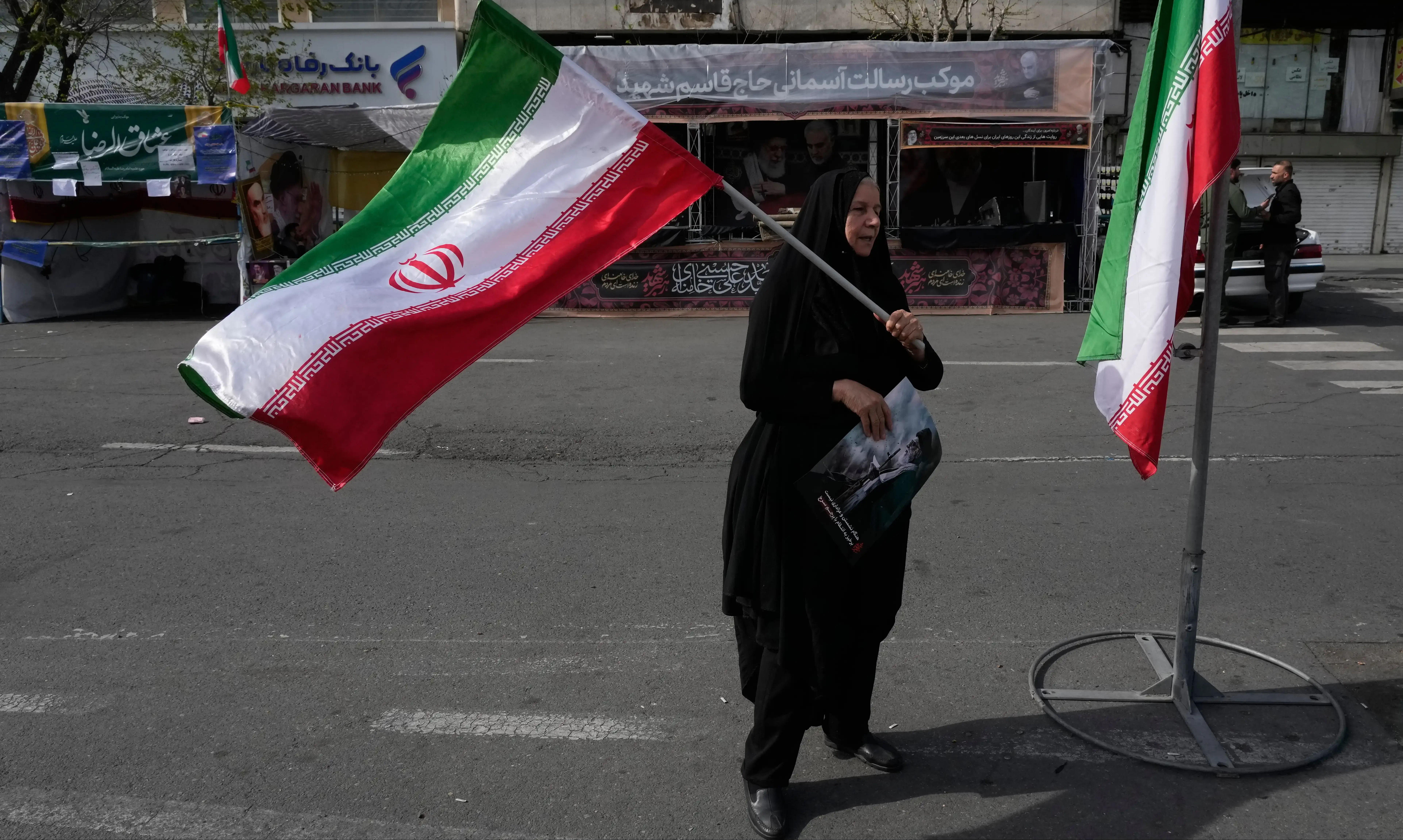
As the deadline for President Trump's ultimatum to Iran approaches, diplomatic efforts are intensifying to reach an agreement that could prevent further escalation in the Strait of Hormuz. Qatar, Turkey, and Egypt are leading behind-the-scenes negotiations
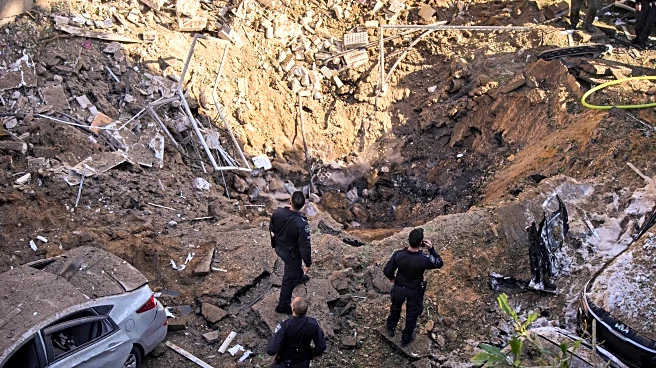
to end the conflict. The situation has been tense since Iran effectively blockaded the strategic waterway, significantly impacting global oil supply and prices. President Trump has threatened military action if Iran does not reopen the strait, which is crucial for international oil transport. Israeli officials have expressed their alignment with Trump's stance, although they are preparing for potential escalation if talks fail. The possibility of a phased agreement, where Iran would reopen the strait in exchange for a reduction in U.S. military actions, is being considered, but it remains uncertain if Iran will agree to these terms.
Why It's Important?
The outcome of these negotiations holds significant implications for global energy markets and regional stability. The Strait of Hormuz is a critical chokepoint for oil transportation, and its closure has already led to increased energy prices worldwide. A failure to reach an agreement could lead to prolonged military conflict, further disrupting oil supplies and potentially triggering broader geopolitical tensions. The U.S. and its allies, including Israel, are closely monitoring the situation, as any military engagement could have far-reaching consequences for international relations and economic stability. The stakes are high, with potential impacts on global oil markets, regional security, and diplomatic relations between the involved nations.
What's Next?
If no agreement is reached, President Trump may pursue military action, including the potential seizure of strategic locations like Kharg Island. This could lead to a significant escalation in military operations in the region. Meanwhile, Iran has threatened retaliatory measures, including targeting energy infrastructure in the Middle East, which could lead to a wider regional conflict. Diplomatic efforts are likely to continue in the coming days, with international stakeholders closely watching for any developments. The situation remains fluid, and the next steps will depend heavily on the outcome of ongoing negotiations and Iran's response to the ultimatum.