






What's Happening?
The Bank of Japan (BOJ) has decided to keep its policy rate steady at 1%, despite concerns that underlying inflation could surpass the 2% target. This decision was made with an 8-1 vote, where board member Hajime Takata suggested a rate increase to 1.25%.
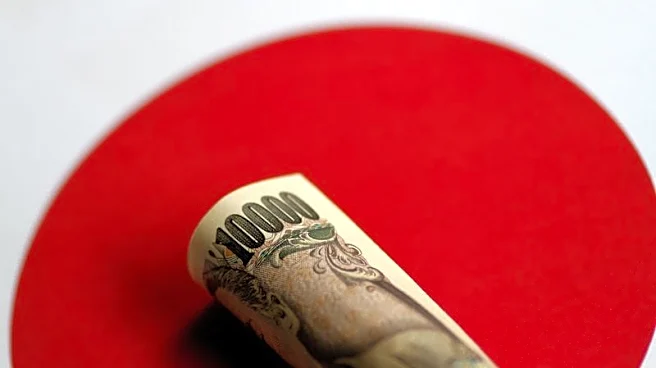
The BOJ's outlook indicates that core inflation is expected to rise above 2% in the latter half of the 2026 fiscal year, driven by factors such as wage increases, rising crude oil prices, and the yen's depreciation. The yen, which had weakened to around 163 against the dollar, saw a rally to 157.96 following intervention by Tokyo and a rate check by U.S. authorities.
Why It's Important?
The BOJ's decision to maintain the interest rate is significant as it reflects the central bank's cautious approach amidst economic uncertainties. The potential rise in inflation above the target could impact Japan's economic stability and influence global markets, particularly in the U.S., where economic ties with Japan are substantial. The intervention to stabilize the yen highlights the importance of currency stability in international trade and finance. U.S. investors and businesses with interests in Japan may need to adjust their strategies in response to these developments.
What's Next?
The BOJ's future actions will likely depend on inflation trends and economic indicators. If inflation continues to rise, the BOJ may consider rate hikes to curb inflationary pressures. The yen's value will be closely monitored, and further interventions may occur if necessary. Stakeholders, including international investors and policymakers, will be watching for any shifts in Japan's monetary policy that could affect global economic dynamics.