
What's Happening?
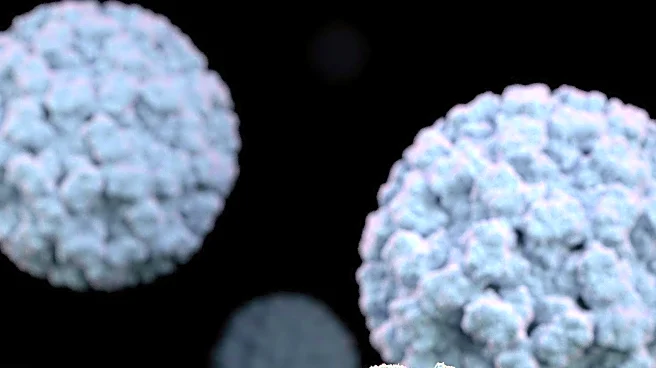
Researchers at The University of Osaka have developed a new reverse genetics system for studying human norovirus, a leading cause of gastroenteritis. This system uses zebrafish embryos to generate infectious
noroviruses, allowing scientists to manipulate the virus's genetic material. This breakthrough overcomes a significant barrier in norovirus research, enabling the study of viral replication and pathogenesis. The system's simplicity and efficiency make it a powerful tool for developing antiviral therapies and vaccines, potentially transforming public health strategies against norovirus.
Why It's Important?
Norovirus is responsible for hundreds of thousands of deaths annually, and the lack of effective treatments or vaccines has been a major public health challenge. The new reverse genetics system provides a critical tool for understanding the virus's behavior and developing targeted interventions. This advancement could accelerate the creation of vaccines and antiviral drugs, significantly reducing the global burden of norovirus infections. By enabling precise genetic manipulation, the system also opens new avenues for research into viral diseases, potentially benefiting broader virology and public health efforts.
What's Next?
The research team plans to further refine the reverse genetics system and explore its applications in antiviral screening and vaccine development. As the system becomes more widely adopted, it could lead to the creation of novel vaccines with controlled antigenicity and pathogenicity. The success of this approach may inspire similar methodologies for other viral pathogens, enhancing global preparedness for infectious disease outbreaks. Continued collaboration with international research institutions could expand the system's impact, fostering innovation in virology and public health.