
What's Happening?
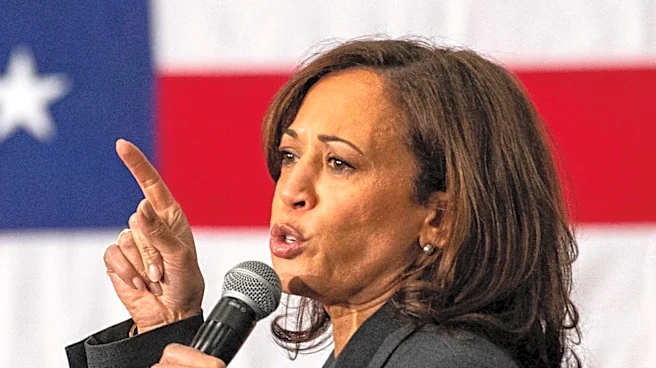
In a recent podcast interview, Rep. Jim Clyburn, a prominent Democrat from South Carolina, attributed Vice President Kamala Harris's loss in the 2024 presidential election partly to low turnout among Black
voters. Clyburn's comments reflect a broader concern within the Democratic Party about voter engagement and the assumption that certain demographics will consistently support the party. He highlighted that the Black voter turnout was significantly lower compared to white voters, suggesting that a higher turnout could have altered the election outcome. Clyburn's remarks have sparked discussions about the Democratic Party's relationship with minority voters and the need to address their diverse interests.
Why It's Important?
Clyburn's comments underscore a critical issue for the Democratic Party: the need to engage and mobilize minority voters effectively. The assumption that ethnic minority groups will vote as monolithic blocs can lead to complacency and neglect of their specific concerns. This situation highlights the importance of addressing the diverse policy interests of these communities, such as economic issues, immigration, and foreign policy. Failure to do so could result in decreased voter turnout and support, impacting the party's electoral success. Clyburn's remarks serve as a reminder that political parties must earn the support of their constituents through meaningful engagement and policy responsiveness.
What's Next?
The Democratic Party may need to reassess its strategies for engaging with minority voters to ensure their concerns are adequately addressed. This could involve more targeted outreach efforts and policy proposals that resonate with these communities. As the party prepares for upcoming elections, it will be crucial to build trust and demonstrate a commitment to addressing the issues that matter most to minority voters. The party's ability to adapt and respond to these challenges will likely influence its future electoral prospects.