





What's Happening?
Strasbourg, located near the German border in northeastern France, provides a variety of organized walking tours for visitors. These tours aim to offer an immersive experience of the city's cultural and architectural styles. Options include a 90-minute
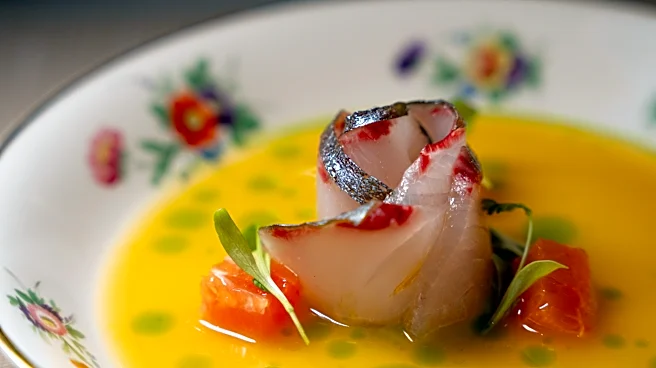
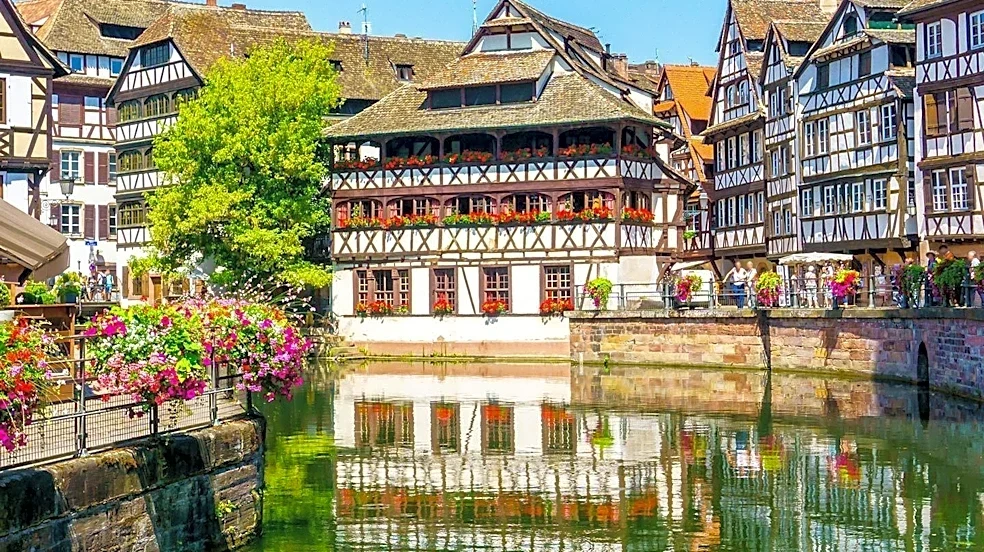
Notre-Dame Cathedral Guided Walking Tour, which focuses on the cathedral's evolution, Gothic facade, sculptures, and astronomical clock, as well as the surrounding old town. Another option is the two-hour Old Town & Highlights Walking Tour, covering Strasbourg's history from medieval France to its German-built Neustadt, highlighting landmarks like Notre-Dame Cathedral, Maison Kammerzell, and Place Gutenberg, and exploring areas like Petite France. Additionally, a European Quarter Guided Walking Tour is available, which explores the European Quarter and Orangerie district, showcasing Art Nouveau houses, the Ill River, the modern Wacken district, and important European institutions such as the European Court of Human Rights and the Council of Europe. Food enthusiasts can also opt for a Traditional Food Walking Tour with Tastings, which includes at least four tasting stops for Alsatian delicacies. For those interested in contemporary art, a Private Street Art Tour explores the city's graffiti, mosaics, and frescoes.
Why It's Important?
These diverse walking tours are important for the tourism sector in Strasbourg, offering structured and informative ways for visitors to engage with the city's rich history, architecture, and culture. By providing guided experiences, these tours enhance the visitor experience, making it easier for tourists to navigate and understand the significance of various landmarks and districts. The availability of specialized tours, such as those focusing on food or street art, caters to a broader range of interests, potentially attracting more diverse groups of travelers. This contributes to the local economy by supporting tour operators, guides, and associated businesses like restaurants and shops. For the city itself, these tours help in promoting its unique identity as a blend of French and German influences, and its role as a European institutional hub. The structured nature of these tours also ensures that visitors gain a deeper appreciation for Strasbourg's heritage, beyond just superficial sightseeing, fostering a more meaningful connection with the destination.
What's Next?
The continued operation and potential expansion of these walking tours will likely see further development in specialized themes and routes to cater to evolving tourist interests. Tour operators may introduce new itineraries focusing on specific historical periods, cultural aspects, or niche interests to maintain freshness and appeal. There could also be an increased integration of digital tools, such as augmented reality or interactive apps, to enhance the tour experience, providing additional information or visual aids. Collaboration with local businesses, including hotels, restaurants, and souvenir shops, could lead to package deals or exclusive offers, further boosting local tourism. As global travel patterns shift, there might be an emphasis on sustainable tourism practices within these tours, such as promoting public transport use or highlighting eco-friendly aspects of the city. The success of these tours will also depend on continuous feedback from participants to refine and improve the offerings, ensuring they remain competitive and attractive in the European tourism market.
Beyond the Headlines
Beyond their immediate economic and tourism benefits, these walking tours play a crucial role in cultural preservation and education. By highlighting the intricate details of historical sites like Notre-Dame Cathedral and explaining the evolution of Strasbourg's architecture, the tours contribute to a deeper understanding and appreciation of European heritage. They serve as a living classroom, making history tangible and engaging for participants. The inclusion of tours focusing on the European Quarter also underscores Strasbourg's contemporary significance as a center for European institutions, fostering awareness of international cooperation and governance. Furthermore, the emphasis on local food and street art tours helps to showcase the city's vibrant modern culture and community, moving beyond traditional historical narratives. This holistic approach to tourism can help shape visitors' perceptions of Strasbourg as a dynamic city that respects its past while embracing its present and future, potentially inspiring further cultural exchange and understanding among international visitors.