





What's Happening?
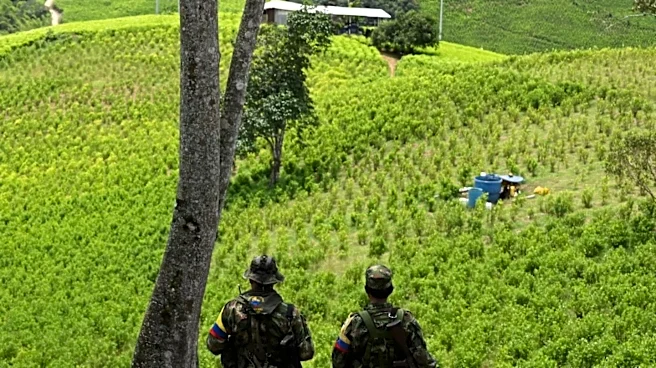
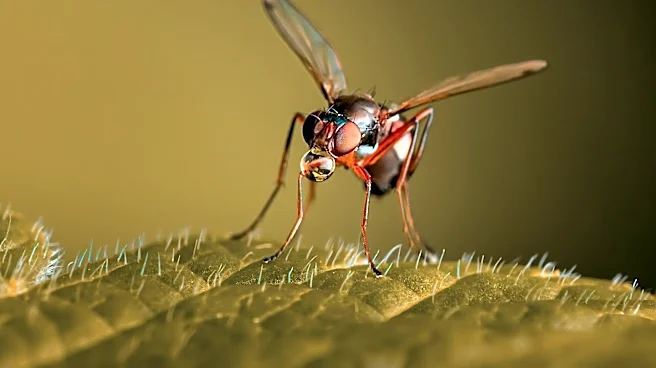
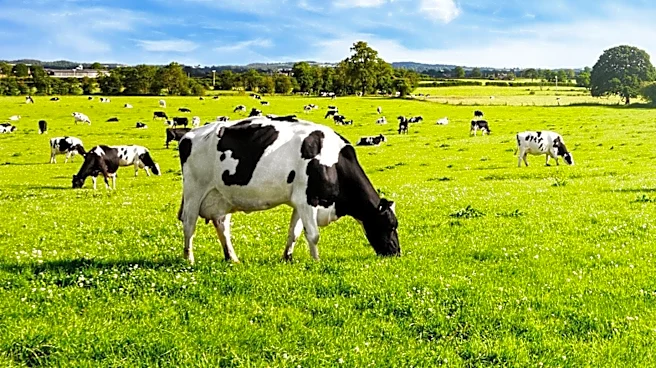
The re-emergence of the New World screwworm in Mexico has exposed vulnerabilities in the livestock industry, highlighting the practice of 'narco ranching' by organized crime. Cartels are using cattle operations to launder money, traffic contraband, and undermine
livestock traceability. This illegal activity poses significant risks to U.S. producers, including disease spread and food security concerns. The practice involves illegal cattle trafficking, land seizures, and environmental destruction through deforestation. Experts emphasize the need for greater awareness and stronger biosecurity measures to protect the agricultural sector from these threats.
Why It's Important?
Narco ranching represents a significant threat to the U.S. agricultural industry, impacting food security and public safety. The illegal movement of cattle circumvents disease prevention measures, increasing the risk of outbreaks like the New World screwworm. This practice also destabilizes the domestic supply chain, as reliance on foreign markets for agricultural imports exposes vulnerabilities. Addressing narco ranching requires a coordinated effort between law enforcement, policymakers, and the agricultural community to strengthen biosecurity and support domestic production.
Beyond the Headlines
The rise of narco ranching underscores the need for a comprehensive approach to national security that includes agriculture. Strengthening domestic food production and reducing reliance on imports can mitigate the risks posed by organized crime. Additionally, raising awareness among producers about the threats of narco ranching can enhance biosecurity practices and support policy changes that prioritize agricultural security.