





What's Happening?
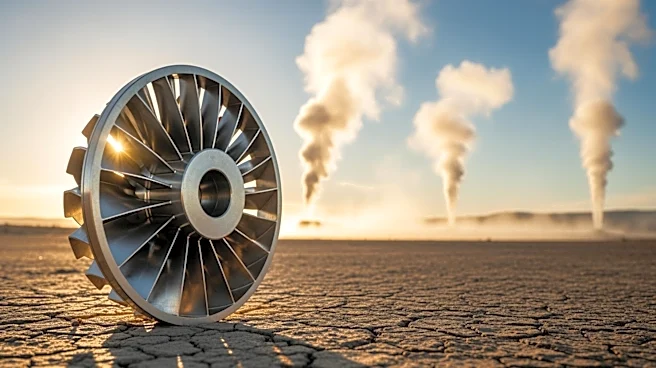
The Colorado Legislature is advancing a bill aimed at expanding geothermal energy development in the state. Senate Bill 142, sponsored by Democratic Sen. Matt Ball, seeks to reduce regulatory barriers and encourage new geothermal projects. The bill proposes
using data from over 900 orphaned oil and gas wells to aid in geothermal exploration. These wells, which are abandoned and lack identifiable owners, pose a financial burden on the state due to the costs of sealing and cleanup. By utilizing these wells for geothermal data collection, the bill aims to provide valuable information to the industry, facilitating more informed decisions on future projects. The bill has garnered bipartisan support and passed its first hearing in the Senate Transportation and Energy Committee with a 5-2 vote.
Why It's Important?
The advancement of this bill is significant as it aligns with Colorado's goal of achieving 100% renewable energy by 2040. Geothermal energy offers a carbon-free, reliable, and affordable energy source, which is crucial for reducing greenhouse gas emissions. The bill's focus on utilizing orphaned wells for data collection not only addresses environmental concerns but also provides a cost-effective solution for the state. By encouraging utilities to develop geothermal project proposals, the bill aims to overcome the industry's hesitance due to high upfront costs and unfamiliarity with the technology. This legislative effort could position Colorado as a leader in geothermal energy, complementing its existing renewable energy portfolio of wind and solar.
What's Next?
As the bill progresses through the legislative process, stakeholders including geothermal developers, utilities, and labor groups are expected to continue their support. The bill's success could lead to increased investment in geothermal projects, potentially transforming Colorado's energy landscape. However, amendments may be proposed by the fossil fuel industry and environmental groups seeking to refine the bill's provisions. If passed, the legislation could serve as a model for other states looking to expand their renewable energy sources and reduce reliance on fossil fuels.