







What's Happening?
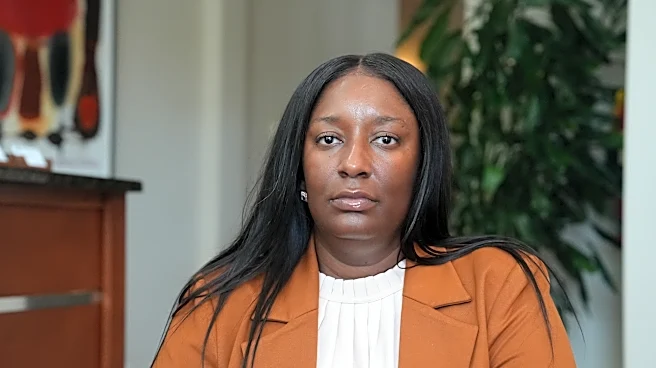
Cassandra Barksdale, a 43-year-old woman from the Atlanta area, has filed a lawsuit against Kaiser Permanente, alleging that a labeling error led to a misdiagnosis of cancer and an unnecessary hysterectomy. According to the lawsuit, a tissue sample from another
patient was mistakenly labeled as Barksdale's, resulting in her being diagnosed with an aggressive form of endometrial uterine cancer. This misdiagnosis led to a full hysterectomy on May 15, 2025, and months of emotional distress as Barksdale believed she had cancer. It was not until September that a DNA analysis revealed the error. Kaiser Permanente has acknowledged the incident, stating that Barksdale should not have experienced this and that steps have been taken to prevent such errors in the future.
Why It's Important?
This case highlights significant concerns about the reliability of medical testing and the potential for human error in healthcare settings. The implications are profound, as misdiagnoses can lead to unnecessary medical procedures, emotional trauma, and financial burdens for patients. For healthcare providers, such incidents can damage reputations and lead to costly legal battles. The case underscores the need for stringent quality control measures in medical testing to prevent similar occurrences. It also raises questions about patient safety and the accountability of healthcare institutions in ensuring accurate diagnoses.
What's Next?
The lawsuit seeks unspecified damages, and the outcome could set a precedent for how similar cases are handled in the future. Kaiser Permanente has expressed a commitment to resolving the issue fairly and accountably. The case may prompt other healthcare providers to review and enhance their procedures to prevent mislabeling and misdiagnosis. Additionally, it could lead to increased scrutiny of medical testing practices and potentially inspire regulatory changes to improve patient safety.
Beyond the Headlines
This incident sheds light on the broader issue of medical errors and their impact on patient trust in healthcare systems. It raises ethical questions about the responsibility of healthcare providers to ensure accurate diagnoses and the adequacy of current safeguards. The emotional and psychological toll on patients who undergo unnecessary procedures due to misdiagnosis is significant, highlighting the need for comprehensive support systems for affected individuals. The case may also influence public perception of healthcare quality and drive demand for more transparency and accountability in medical practices.