







What's Happening?
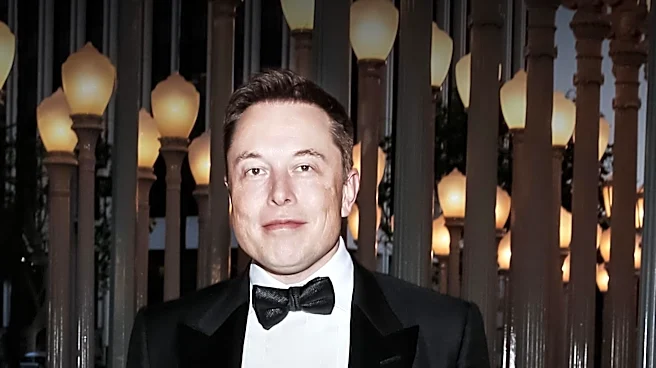
The Wisconsin Elections Commission has found probable cause that Elon Musk violated state election laws by offering $1 million checks to voters during the 2025 state Supreme Court election. The commission has referred the case to the Brown County district
attorney's office, which will determine whether to file criminal charges. Musk's financial involvement in the election was significant, with at least $20 million spent supporting the Republican candidate, Brad Schimel, who lost to the Democratic candidate, Susan Crawford. The election was notably the most expensive judicial race in U.S. history, with total spending surpassing $100 million.
Why It's Important?
This development raises critical questions about the legality and ethics of financial influence in elections. If Musk is charged and found guilty, it could lead to stricter regulations on campaign contributions and spending, potentially reshaping the landscape of political financing. The case also highlights the tension between free speech rights and the need for fair electoral practices, which could influence future legal interpretations and legislative actions. The outcome may affect how wealthy individuals and organizations engage in political activities, potentially leading to broader discussions on campaign finance reform.
What's Next?
The district attorney has 40 days to decide on pursuing charges against Musk. The decision could lead to a significant legal case that may set precedents for future campaign finance regulations. Additionally, a lawsuit by the Wisconsin Democracy Campaign seeks to prevent Musk from making similar payments in the future, which could result in further legal challenges. The case may prompt legislative bodies to consider revising campaign finance laws to address potential loopholes and ensure the integrity of electoral processes.