







What's Happening?
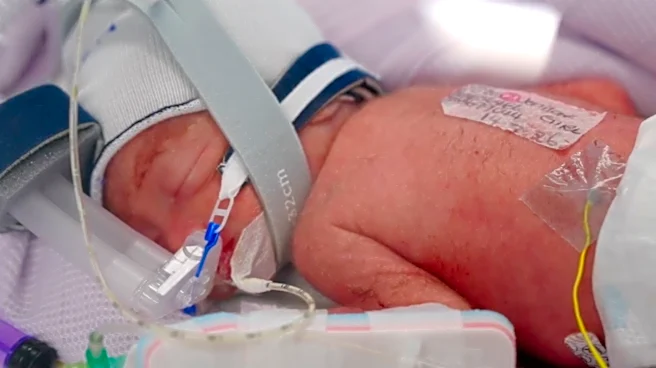
Jenitar Na'amoana, a 34-year-old mother from Brisbane, Australia, has given birth to a rare set of identical quadruplets. The quadruplets, named Emily, Harriet, Catherine, and Alexa, were born at 28 weeks and four days gestation. This rare occurrence,
where a single fertilized egg splits into four embryos, happens in about one in 15 million pregnancies. The babies shared a single placenta, which is an even more unusual aspect of this pregnancy. Dr. Alexa Bendall, who oversaw Na'amoana's care, expressed amazement at the successful delivery without major complications, despite the high risks associated with such pregnancies. The quadruplets are currently in the neonatal intensive care unit to continue growing stronger.
Why It's Important?
The birth of identical quadruplets is a significant medical event due to its rarity and the complexities involved in such pregnancies. This case highlights advancements in prenatal care and the ability of medical teams to manage high-risk pregnancies successfully. For the Na'amoana family, this event brings both joy and challenges, as they now have eight children to care for. The broader significance lies in the medical community's ability to handle rare and complex pregnancies, which can provide insights and improve care for future similar cases. Additionally, the story underscores the importance of neonatal care in ensuring the health and development of premature infants.
What's Next?
The quadruplets will remain in the neonatal intensive care unit for several weeks to ensure they continue to grow and develop healthily. The Na'amoana family has launched a GoFundMe campaign to help cover the medical expenses and the cost of a larger vehicle to accommodate their expanded family. The medical team will continue to monitor the babies' progress closely, and the family will need to adjust to the demands of caring for four newborns simultaneously. The successful management of this case may also contribute to medical research and protocols for handling similar high-risk pregnancies in the future.