


What's Happening?
Vietnam is emerging as a global leader in economic growth, with significant contributions from its manufacturing and tourism sectors. According to research from Harvard University and S&P Global, Vietnam is expected to lead the world in GDP growth over
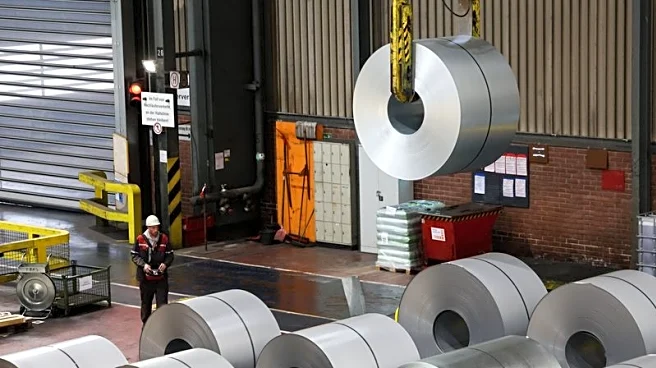
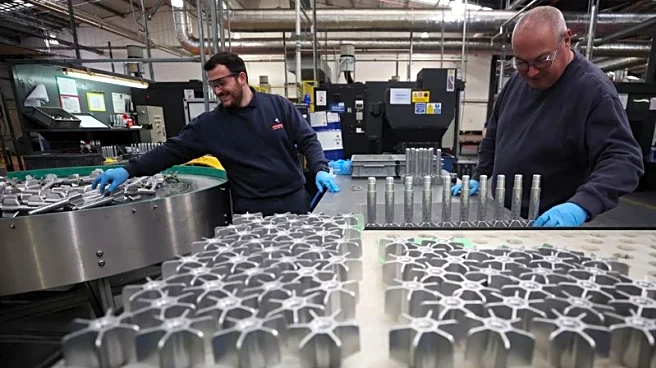
the next decade. The country's manufacturing sector has shown robust expansion, with the S&P Global Vietnam Manufacturing Purchasing Managers’ Index reaching 54.3 in February, indicating strong business conditions. This growth is supported by increased production and new orders, despite some volatility in export markets. Additionally, Vietnam's tourism industry is thriving, with a 20.4% increase in international tourist arrivals last year, the highest in Southeast Asia. The country aims to attract 25 million foreign visitors this year, further boosting its economic prospects.
Why It's Important?
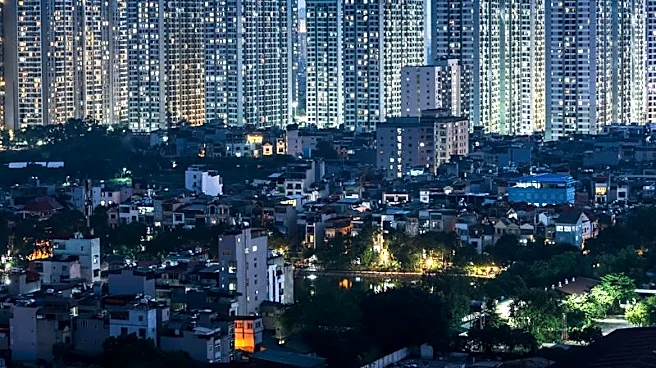
Vietnam's economic trajectory is significant for several reasons. Its rapid growth in manufacturing and tourism positions it as a key player in Southeast Asia's economic landscape. The diversification into high-tech manufacturing and electronics has integrated Vietnam into global value chains, enhancing its trade surpluses and macroeconomic stability. This growth is likely to attract more foreign direct investment and institutional inflows, particularly with Vietnam's anticipated upgrade to Secondary Emerging Market status by FTSE Russell in 2026. The expansion of Vietnam's capital markets, driven by sectors like real estate and financials, reflects broader structural trends such as urbanization and rising incomes. These developments not only bolster Vietnam's economy but also offer new opportunities for international investors.
What's Next?
Vietnam's continued economic growth is expected to draw increased attention from global investors, particularly as it approaches its upgrade to Secondary Emerging Market status. This could lead to enhanced market liquidity and greater exposure to Vietnam's long-term growth potential. The country's focus on high-tech manufacturing and tourism is likely to sustain its economic momentum, while ongoing structural reforms and foreign investment will further strengthen its economic foundations. As Vietnam continues to integrate into global markets, it may also play a more prominent role in regional economic dynamics, influencing trade and investment patterns across Southeast Asia.
Beyond the Headlines
Vietnam's economic rise highlights the importance of diversification and innovation in driving growth. The shift from traditional industries like textiles to high-tech manufacturing underscores the country's adaptability and strategic vision. This transition not only supports economic stability but also positions Vietnam as a model for other developing economies seeking to enhance their global competitiveness. Additionally, Vietnam's success in tourism reflects its ability to capitalize on cultural and natural assets, further diversifying its economic base. These developments may inspire similar strategies in neighboring countries, potentially reshaping the economic landscape of Southeast Asia.