



What's Happening?
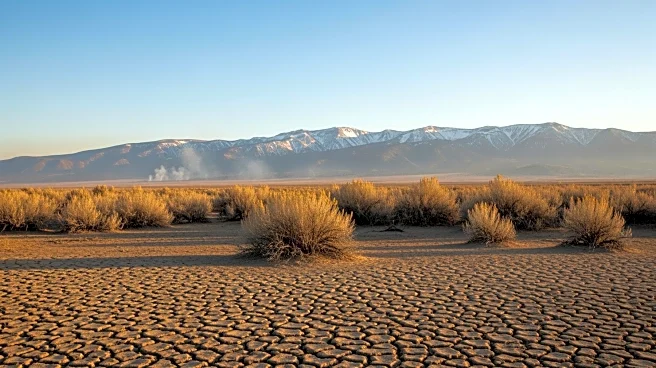
The western United States is experiencing severe water shortages and increased wildfire risks due to a historic snow drought. The Colorado River Basin, which supports approximately 40 million people, is facing record-low snowpack levels, threatening major
reservoirs like Lake Powell and Lake Mead. This situation is exacerbated by an unseasonably early heat wave, which has worsened the drought conditions. The National Integrated Drought Information System (NIDIS) reports that every state and major river basin in the West is currently experiencing a snow drought. The lack of snow is alarming researchers, as it is crucial for replenishing water supplies in the spring and summer. The drought has already led to significant concerns about water supply and fire risks in the region.
Why It's Important?
The ongoing snow drought in the western U.S. has significant implications for water supply, agriculture, and energy production. With reservoirs like Lake Powell at critically low levels, there is a risk of reduced electricity generation from hydroelectric dams, impacting homes, businesses, and irrigation systems. The agricultural sector, particularly in Arizona, California, and Nevada, faces potential water shortages, threatening crop production and livelihoods. Additionally, the drought conditions increase the risk of wildfires, which can have devastating effects on communities and ecosystems. The situation highlights the vulnerability of the region's water infrastructure and the need for adaptive management strategies to address the challenges posed by climate change.
What's Next?
As the drought persists, stakeholders in the western U.S. will need to implement measures to mitigate the impacts of water shortages and wildfire risks. This may include water conservation efforts, investment in alternative water sources, and enhanced wildfire preparedness. Policymakers and water managers will need to collaborate to develop long-term strategies for sustainable water management in the face of climate change. The situation also underscores the importance of monitoring and forecasting to better anticipate and respond to future drought conditions.