





What's Happening?
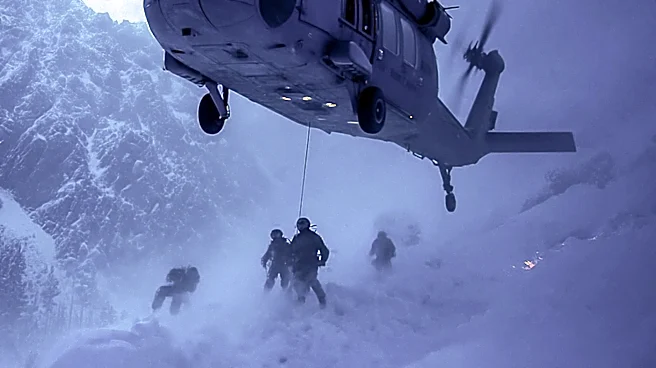
A Ketchikan man was rescued and subsequently hospitalized for hypothermia after an incident in a remote area northeast of the town last week. Alaska Wildlife Troopers initiated a search near Saddle Lakes, approximately 25 miles from Ketchikan via a gravel
road, after receiving an SOS activation from a satellite communication device on Wednesday evening. The man's truck and ATV were located first. Family members assisted in the initial search efforts, which were temporarily suspended early Thursday morning. The search resumed later that Thursday morning with the involvement of the Ketchikan Volunteer Rescue Squad. The man was eventually found on a logging road, where he met a member of the rescue squad. He was then transported to a hospital in Ketchikan and treated for non-life-threatening injuries.
Why It's Important?
This incident highlights the inherent risks associated with outdoor activities in remote Alaskan wilderness areas, even for experienced individuals. The reliance on satellite communication devices for emergency alerts underscores the critical role of technology in ensuring safety in regions with limited or no cellular service. The coordinated response involving Alaska Wildlife Troopers, family members, and the Ketchikan Volunteer Rescue Squad demonstrates the importance of community and inter-agency cooperation in search and rescue operations in challenging environments. Such events serve as a reminder for residents and visitors to be adequately prepared for extreme weather conditions and potential emergencies when venturing into remote territories, emphasizing the need for proper gear, communication tools, and contingency plans to mitigate risks and ensure personal safety.
What's Next?
Following the rescue, the individual is receiving treatment for non-life-threatening injuries, primarily hypothermia. Authorities may conduct a review of the incident to identify any lessons learned regarding remote area safety protocols or rescue procedures. This event could prompt public safety announcements or educational campaigns from local authorities, such as the Alaska Wildlife Troopers or the Ketchikan Volunteer Rescue Squad, to remind hunters and outdoor enthusiasts about best practices for wilderness safety. These might include recommendations for carrying appropriate survival gear, informing others of travel plans, and understanding how to use emergency communication devices effectively. The focus will likely remain on the individual's recovery and reinforcing safety measures for future outdoor activities in the region.
Beyond the Headlines
The successful rescue operation in Ketchikan underscores the broader societal value placed on human life and the collective effort to preserve it, even in challenging and remote circumstances. It reflects the dedication of volunteer and professional rescue services who often operate in harsh conditions, showcasing a strong sense of community responsibility. This incident also subtly highlights the ongoing balance between the allure of wilderness exploration and the inherent dangers it presents, prompting a continuous dialogue about personal responsibility versus public safety resources. Furthermore, it could influence local policies or funding for search and rescue organizations, recognizing their vital role in supporting the adventurous spirit that defines much of Alaskan culture while ensuring a safety net for those who embrace it.