







What's Happening?
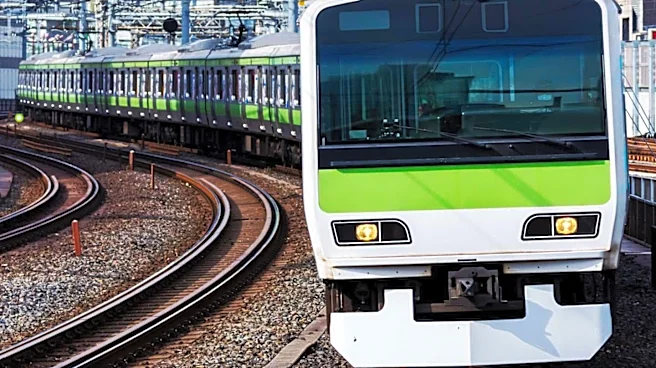
The Haruka Express train provides direct service between Kansai International Airport (KIX) and major stations in the Kansai region, including Kyoto and Osaka. This service offers a convenient and efficient travel option for passengers. The train journey
from Kansai Airport to Tennoji takes approximately 35 minutes, to Shin-Osaka about 50 minutes, and to Kyoto around 80 minutes. Passengers can choose between a one-way journey from Kansai Airport to Kyoto or Osaka, or a one-way journey from Kyoto or Osaka back to Kansai Airport. The Haruka Express operates with a frequency of approximately 30 minutes, with over 30 trains per day in each direction, ensuring regular service. The trains are equipped with reclinable seats, free WiFi, and ample space for luggage, enhancing the comfort of the travel experience. Upon booking, travelers receive a voucher that needs to be redeemed at machines located in designated stations to obtain their train ticket. Children under 6 years old can ride for free, with each paying adult permitted to accompany up to two children under this age.
Why It's Important?
This train service is crucial for enhancing connectivity and accessibility within the Kansai region, a significant economic and cultural hub in Japan. By providing a direct and rapid link between Kansai International Airport and key cities like Kyoto and Osaka, the Haruka Express facilitates both business travel and tourism. Improved transportation infrastructure supports economic activities by making it easier for international visitors and domestic travelers to reach their destinations, potentially boosting local economies through increased spending on accommodation, dining, and attractions. The comfort features, such as reclinable seats and free WiFi, cater to the expectations of modern travelers, making the journey more appealing. The high frequency of trains and the relatively short travel times contribute to the overall efficiency of the regional transport network, reducing travel stress and increasing productivity for business travelers. Furthermore, the ease of access to cultural centers like Kyoto can promote cultural exchange and tourism, which are vital components of Japan's service sector.
What's Next?
Travelers planning to use the Haruka Express will need to book their tickets and redeem their vouchers at the specified stations. The continuous operation of this service is expected to maintain its role as a primary transportation link for the Kansai region. Future developments might include potential adjustments to schedules or services based on passenger demand and regional events. As tourism to Japan continues to evolve, the Haruka Express will likely remain a key component of travel itineraries for those arriving at Kansai International Airport and heading to Kyoto or Osaka. The efficiency and convenience offered by this train service are expected to continue attracting a steady flow of passengers, supporting the ongoing growth of tourism and business travel in the region. Any future expansions or upgrades to the train's amenities or routes would further solidify its importance in the regional transportation landscape.
Beyond the Headlines
The Haruka Express train service underscores Japan's commitment to efficient and high-quality public transportation, a hallmark of its national infrastructure. This commitment extends beyond mere functionality, incorporating elements of comfort and convenience that reflect a broader cultural emphasis on service excellence. The seamless integration of airport transfers with major urban centers like Kyoto, a city renowned for its cultural heritage, highlights the strategic importance of accessible transport in preserving and promoting national identity and tourism. The provision of free WiFi and comfortable seating on the trains also speaks to a global trend in travel, where connectivity and passenger experience are increasingly prioritized. This approach not only benefits travelers but also reinforces Japan's reputation as a leader in advanced and user-friendly public transit systems, setting a benchmark for other nations aiming to enhance their own transportation networks.