





What's Happening?
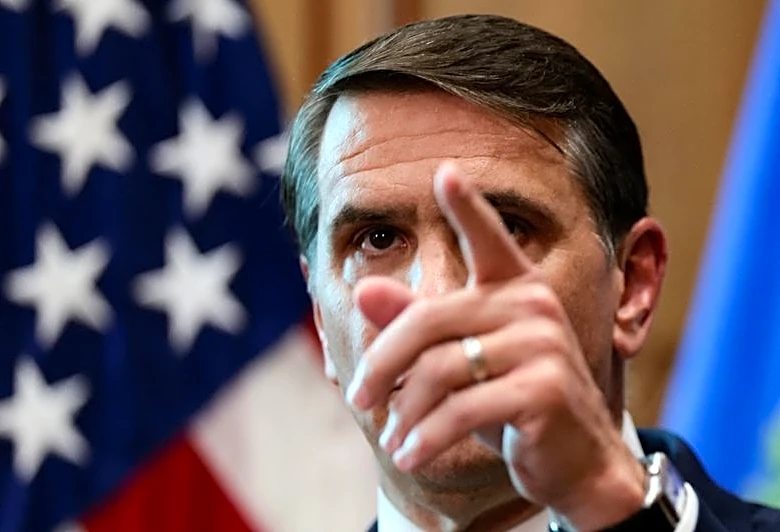
In a televised debate for the Democratic gubernatorial primary in Rhode Island, incumbent Governor Dan McKee and challenger Helena Foulkes engaged in a heated exchange over the state's economic and infrastructure challenges. Foulkes criticized McKee for what
she described as a lack of progress in job creation and infrastructure improvements, accusing him of mediocrity and misrepresenting job growth figures. McKee defended his record, highlighting job creation and business retention efforts, and criticized Foulkes' tenure as a CVS executive during the opioid crisis. The debate also touched on the absence of a Costco in Rhode Island, with Foulkes, a Costco board member, suggesting a future opening, while McKee pointed to regulatory challenges. The debate was marked by sharp exchanges, with both candidates presenting contrasting visions for the state's future.
Why It's Important?
The debate underscores significant issues facing Rhode Island, including economic development, job creation, and infrastructure. These topics are critical as they directly impact the quality of life for residents and the state's attractiveness to businesses. McKee's emphasis on job growth and business retention highlights his administration's focus on economic stability, while Foulkes' criticisms reflect concerns about the state's economic competitiveness and infrastructure. The outcome of this primary could influence policy directions, particularly in addressing economic disparities and infrastructure needs. The debate also highlights the political dynamics in Rhode Island, with McKee defending his incumbency against Foulkes' challenge, which could shape voter perceptions ahead of the election.
What's Next?
The primary election will determine whether McKee continues as the Democratic candidate or if Foulkes will represent the party in the gubernatorial race. The candidates' differing approaches to economic and infrastructure issues will likely remain central themes as the campaign progresses. Stakeholders, including business leaders and community groups, may weigh in on the candidates' proposals, influencing public opinion and potentially swaying undecided voters. The debate's focus on job creation and infrastructure suggests these issues will be pivotal in the upcoming election, with both candidates needing to articulate clear plans to address these challenges.