





What's Happening?
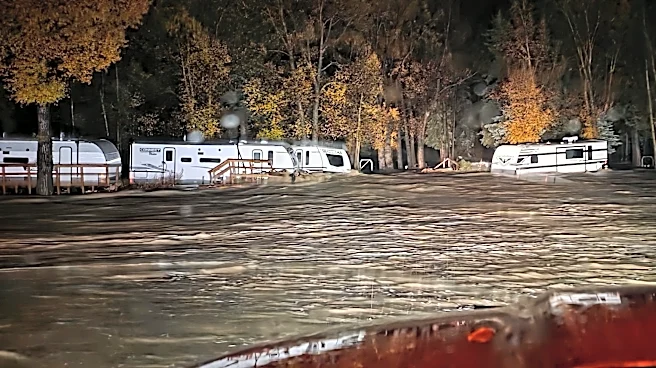
Governor Jared Polis has expanded a flood disaster emergency declaration to include Conejos County, bringing the total to 12 counties in southwest Colorado affected by flooding. This declaration mobilizes state resources, including the deployment of 100
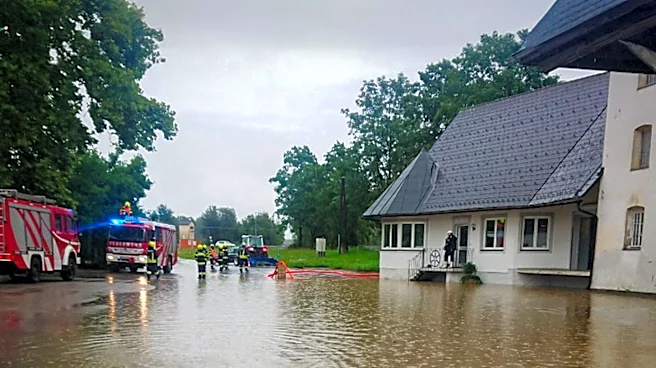
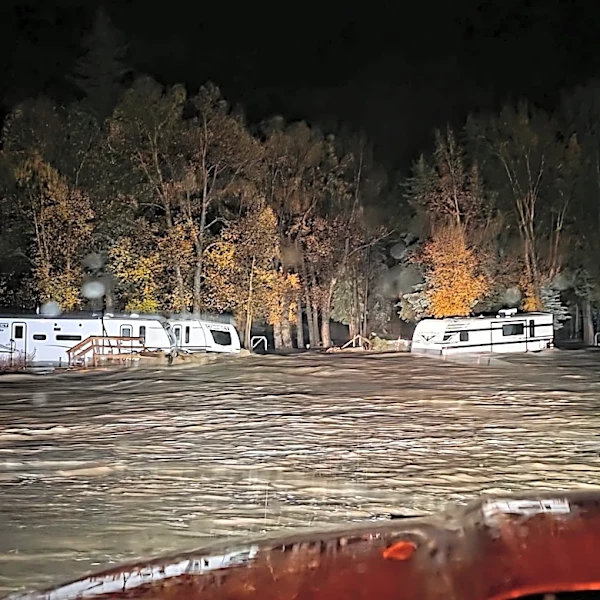
members of the Colorado National Guard for evacuations and search and rescue operations. Approximately 100 people have been evacuated, with many others stranded by floodwaters. The affected counties now include La Plata, Archuleta, Montezuma, Dolores, Hinsdale, San Miguel, Ouray, San Juan, Mineral, Alamosa, Rio Grande, and Conejos. The State Emergency Operations Center is coordinating the response, which involves Colorado Search and Rescue groups, the Department of Natural Resources supporting swiftwater rescue, and helicopters from the Division of Fire Prevention and Control assisting stranded individuals. Colorado State Patrol troopers and Division of Homeland Security and Emergency Management field managers are also supporting local emergency operations centers and shelters. Governor Polis has urged residents to adhere to emergency orders and prioritize their safety. The state is also coordinating with the Southern Ute Indian Tribe regarding flooding on tribal land.
Why It's Important?
This expanded emergency declaration is crucial for the safety and well-being of residents in southwest Colorado, as it unlocks vital state resources to address the immediate impacts of severe flooding. The deployment of the Colorado National Guard underscores the seriousness of the situation, providing essential personnel and equipment for evacuations and life-saving search and rescue missions. The coordination with the Southern Ute Indian Tribe highlights the broad impact of the disaster, affecting diverse communities within the state. Economically, the flooding is causing significant disruption, leading to road closures on major routes like U.S. 550, U.S. 160, Colorado 17, Colorado 151, and Colorado 112. These closures impede transportation, commerce, and daily life, potentially resulting in economic losses for businesses and individuals in the affected regions. The state's proactive response aims to mitigate further damage and facilitate recovery efforts, emphasizing the importance of governmental intervention during natural disasters to protect lives and infrastructure.
What's Next?
In the immediate future, authorities will continue to focus on search and rescue operations and ensuring the safety of residents. The Colorado Department of Transportation will monitor road conditions and manage closures, with updates available on cotrip.org. Residents are advised to avoid driving through floodwaters. Colorado 211 is available to connect residents with information on evacuations, shelters, and temporary housing vouchers for those in mandatory evacuation zones. The State Emergency Operations Center will maintain its coordination role, directing various state agencies and resources to address the ongoing crisis. Long-term efforts will likely involve assessing the full extent of property damage, repairing infrastructure, and supporting affected communities in their recovery. The Community Foundation serving Southwest Colorado has activated the Community Emergency Relief Fund (CERF) to assist the Town of Pagosa Springs and surrounding areas, encouraging donations to support recovery efforts.
Beyond the Headlines
The recurring nature of severe weather events, such as these floods in Colorado, points to broader environmental and climate considerations. While the immediate focus is on emergency response, these incidents often spark discussions about climate resilience, infrastructure preparedness, and land-use planning in vulnerable areas. The involvement of the Colorado National Guard and various state agencies highlights the complex inter-agency coordination required to manage large-scale natural disasters. Furthermore, the impact on tribal lands, specifically the Southern Ute Indian Tribe, brings to light issues of environmental justice and the disproportionate effects of climate events on indigenous communities. The emphasis on public safety and adherence to emergency orders also reflects a societal reliance on governmental guidance during crises, underscoring the importance of clear communication and public trust in emergency management. These events serve as critical reminders for ongoing investment in disaster preparedness and mitigation strategies.