








What's Happening?
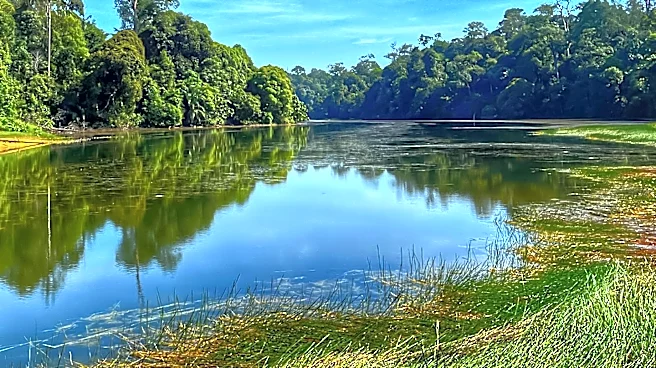
Tuckahoe State Park, located about an hour east of Baltimore on Maryland's Eastern Shore, provides a natural getaway spanning 3,929 acres. The park features freshwater wetlands, tranquil trails, and opportunities for lake fishing. Its landscape is shaped
by the Tuckahoe Creek, which feeds into a 60-acre lake and the surrounding wetlands. Visitors can explore over 20 miles of trails, suitable for hiking and paddling, and observe a diverse range of bird species, as the park is designated an Important Bird Area by the National Audubon Society. Over 180 bird species have been spotted, with spring migration bringing an influx of songbirds like the Louisiana waterthrush and summer tanager. The park also offers amenities such as a disc golf course, picnic areas, and campsites. Additionally, it hosts a free-to-enter 400-acre arboretum, the Adkins Arboretum, which features nature walks, diverse flora, and educational exhibits, along with guided activities throughout the year to educate visitors about the Mid-Atlantic coastal plain ecosystem.
Why It's Important?
Tuckahoe State Park serves as a significant natural resource and recreational area for residents and visitors to Maryland, offering a contrast to the urban attractions of Baltimore. Its designation as an Important Bird Area highlights its ecological importance, providing critical habitat for numerous avian species and contributing to biodiversity conservation efforts in the region. The park's extensive trail system and diverse amenities promote outdoor recreation, physical activity, and nature appreciation, which are vital for public health and well-being. The Adkins Arboretum further enhances its value by offering educational opportunities about local ecosystems, fostering environmental awareness and stewardship. For the local economy, the park attracts tourism, supporting nearby businesses through visitor spending on accommodations, food, and supplies. The availability of such a well-preserved natural space contributes to the overall quality of life in Maryland, offering a peaceful retreat and a connection to the natural world.
What's Next?
Visitors can continue to enjoy the park's existing amenities, including hiking, fishing, disc golf, picnicking, and camping. The Adkins Arboretum will likely continue to offer its scheduled guided activities and educational programs throughout the year, providing ongoing opportunities for learning about the Mid-Atlantic coastal plain ecosystem. Given its status as an Important Bird Area, the park will remain a key destination for birdwatchers, particularly during migration seasons. There may be ongoing efforts to maintain and improve the park's trails and facilities to ensure a positive visitor experience. The park's role in promoting environmental education and conservation is expected to continue, potentially through partnerships with local schools and environmental organizations. Future developments might focus on enhancing accessibility or expanding educational offerings to further engage the public with its natural resources.
Beyond the Headlines
Tuckahoe State Park represents more than just a recreational area; it embodies the critical role of protected natural spaces in an increasingly urbanized world. Its diverse ecosystems, from freshwater wetlands to woodlands, serve as living laboratories for ecological study and provide essential ecosystem services, such as water purification and habitat provision. The park's emphasis on education through the Adkins Arboretum underscores the growing recognition of environmental literacy as a crucial component of public knowledge. By offering opportunities for direct engagement with nature, the park helps foster a sense of connection and responsibility towards the environment, which is vital for long-term conservation efforts. In an era where digital distractions are prevalent, places like Tuckahoe State Park offer a valuable antidote, promoting mental well-being, stress reduction, and a deeper appreciation for the natural world. Its continued preservation and accessibility are key to sustaining both ecological health and human connection to nature.