








What's Happening?
The International Islamic Trade Finance Corporation (ITFC) has entered into a $250 million framework agreement with the Republic of The Gambia. This three-year facility aims to bolster trade finance, energy imports, food security, and private sector development.
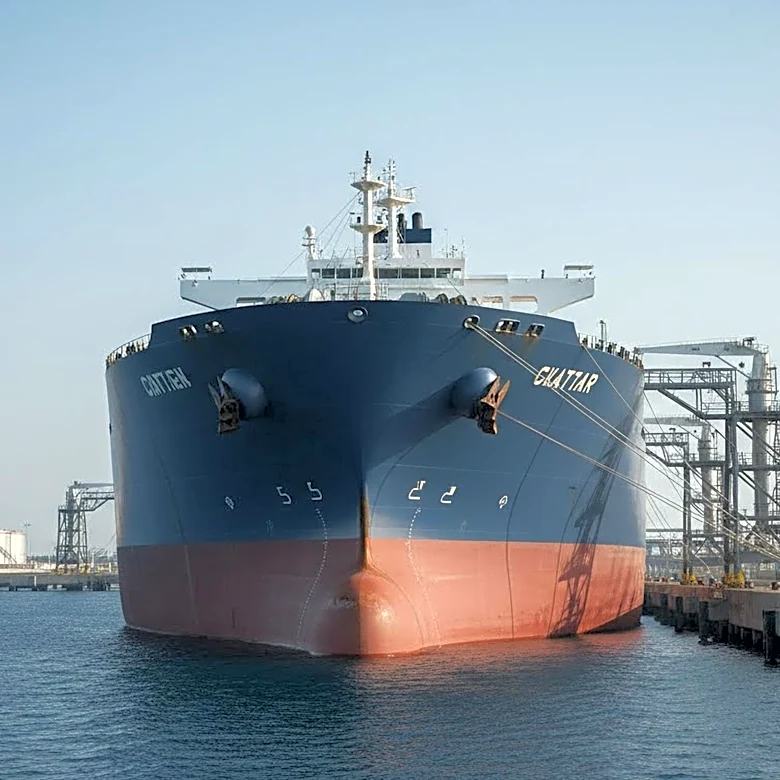
The agreement was signed during the 2026 Islamic Development Bank Group Annual Meetings in Baku, Azerbaijan. The new deal replaces a previous five-year $250 million framework that was fully utilized, indicating the operational deployment of the facilities. ITFC has been a significant trade-finance provider to The Gambia, with cumulative financing and trade development interventions exceeding $870 million since its operations began in the country. The current operations focus on energy-sector channels, with the National Water and Electricity Company and the Gambia National Petroleum Corporation benefiting from petroleum-import financing facilities. These are crucial for maintaining energy continuity in The Gambia. Additionally, ITFC finances essential commodity imports to support food security and extends trade finance lines through partnerships with local financial institutions to stimulate private sector activity.
Why It's Important?
This agreement is significant as it underscores the role of multilateral and Islamic development finance institutions in supporting frontier markets like The Gambia, which face challenges accessing international capital markets. The ITFC's involvement provides concessional and quasi-commercial trade capital, acting as a bridge for state energy and food import agencies to operate with favorable payment terms. The renewal of the agreement at the same scale but over a shorter period may reflect an accelerated deployment ambition or a recalibration of The Gambia's absorptive capacity. This development highlights the ITFC's positioning as a counter-cyclical capital provider in West Africa, especially as Western development finance institutions face political pressure to reduce overseas commitments. The agreement is crucial for The Gambia's economic stability, ensuring energy continuity and food security while stimulating private sector growth.
What's Next?
The operational details of the new framework, such as sector allocation, tranche structure, and disbursement schedule, remain to be confirmed as individual facilities are approved within the umbrella agreement. The ITFC's continued support may encourage other multilateral finance institutions to maintain or expand their exposure to frontier markets. The Gambia's government and local financial institutions will likely focus on optimizing the use of these funds to enhance economic resilience and development. The success of this agreement could serve as a model for other sub-Saharan African economies seeking similar financial arrangements.
Beyond the Headlines
The agreement reflects broader trends in international finance, where Islamic finance institutions are increasingly playing a pivotal role in supporting economies with limited access to traditional capital markets. This shift may influence global financial dynamics, encouraging more inclusive and diversified financial support mechanisms. The focus on energy and food security aligns with global priorities on sustainable development and resilience, potentially setting a precedent for future agreements in the region.