



What's Happening?
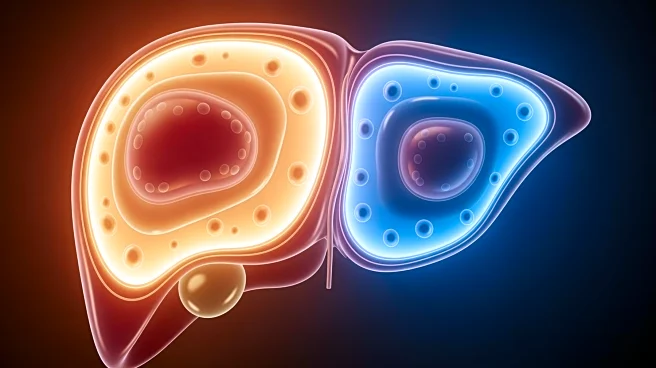
A recent study published in Science has uncovered the impact of liver metabolic zonation on the progression of premalignant cells. Researchers found that non-malignant cells with cancer-associated mutations are common in healthy tissues but rarely progress to
cancer. The study focused on liver metabolic zonation, characterized by gene expression patterns and metabolite gradients along the liver lobule axis. It was observed that mutant hepatocytes persisted in zone 1 of the liver but declined in zone 3 over time. This spatial distribution and expression profile of mutant cells suggest that their location within the liver significantly influences their fate.
Why It's Important?
Understanding the role of liver metabolic zonation in cancer progression could lead to new strategies for cancer prevention and treatment. By identifying how cellular localization affects the fate of premalignant cells, researchers can develop targeted therapies that disrupt these processes. This study highlights the importance of considering the microenvironment in cancer research, which could lead to more effective interventions and improved patient outcomes. The findings may also prompt further research into other organs and tissues, potentially broadening the scope of cancer prevention strategies.