






What's Happening?
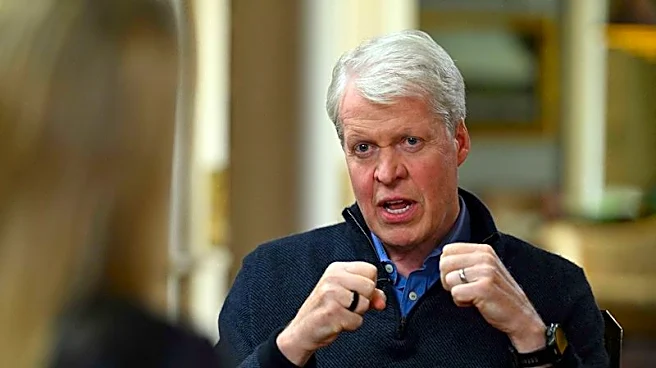
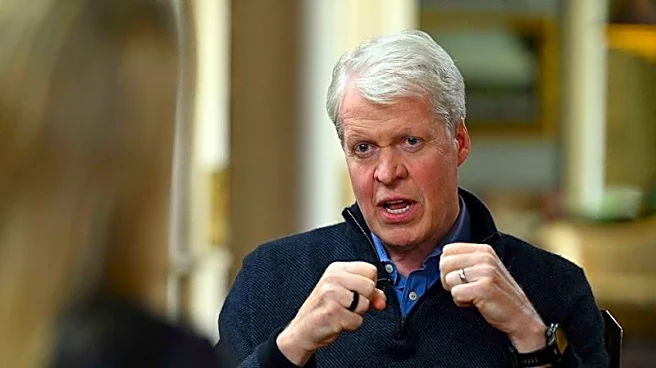
Charles Spencer, Princess Diana's brother, has released a memoir titled 'Swan Song: Diana, My Sister,' which includes several controversial claims about the royal family. One of the most striking revelations is that Prince Charles allegedly told Diana, shortly
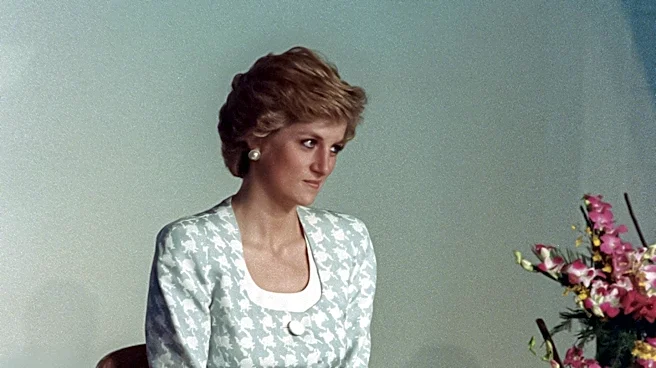
before their 1981 wedding, that he was happy to marry her but was not actually in love with her. Spencer recounts that Diana was devastated by this confession and even approached their father, expressing her reluctance to proceed with the marriage. The memoir details Diana's emotional state on her wedding day, noting her tiredness and a 'wistful sadness' despite her transformation into a beautiful woman. Spencer suggests that Diana had to absorb this 'hammer blow' while also believing that Prince Charles's affections lay elsewhere. The book has already generated significant controversy, with Buckingham Palace issuing a statement in response to Spencer's allegation that Charles callously remarked about forgetting Diana soon after her death.
Why It's Important?
This memoir is significant as it offers a new, and potentially damaging, perspective on the early days of Prince Charles and Princess Diana's marriage, directly from a close family member. The claim that Prince Charles admitted not being in love with Diana before their wedding could reshape public understanding of their relationship's foundation and the subsequent challenges they faced. It adds another layer to the narrative surrounding the royal family, particularly concerning the emotional toll on Princess Diana. The book's controversial nature and the direct response from Buckingham Palace highlight the ongoing public interest and sensitivity surrounding the British monarchy and its past. For the U.S. audience, who have long followed the British royals, these revelations could influence perceptions of historical events and key figures within the monarchy, potentially sparking renewed discussions about the pressures and realities of royal life.
What's Next?
The release of 'Swan Song: Diana, My Sister' is expected to continue generating widespread discussion and debate, particularly given the pre-emptive response from Buckingham Palace. Further analysis and commentary from royal experts and historians are likely to emerge as the public digests the memoir's contents. The book's claims could prompt additional scrutiny of historical accounts of the royal marriage and potentially lead to further statements or reactions from individuals associated with the royal family, though direct responses are rare. The ongoing public and media interest in Princess Diana's life and legacy suggests that these revelations will be a focal point for some time, potentially influencing future documentaries, biographies, and public discourse surrounding the British monarchy. The memoir's impact on the perception of Prince Charles and the institution he represents will be closely watched.
Beyond the Headlines
The memoir's revelations delve into the deeper, less visible aspects of royal life, particularly the personal sacrifices and emotional complexities faced by individuals within the monarchy. The alleged pre-wedding confession by Prince Charles underscores the potential for arranged or duty-bound marriages to lack genuine affection, raising questions about the human cost of maintaining royal traditions and public image. It highlights the immense pressure on royal figures to uphold a facade of happiness and stability, even when personal realities are far different. The book also touches upon the ethical considerations of public figures sharing intimate details of private lives, especially after the passing of a central figure like Princess Diana. This narrative contributes to a broader cultural conversation about the intersection of public duty, personal happiness, and the enduring legacy of historical figures within powerful institutions.