





What's Happening?
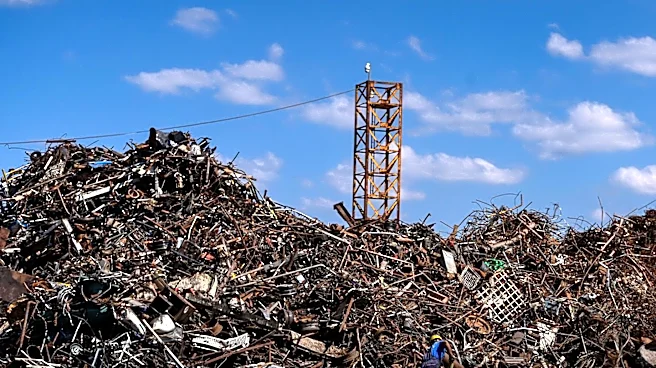
The Bantar Gebang landfill, located on the outskirts of Jakarta, Indonesia, is facing potential closure as the government grapples with managing the capital's swelling waste levels. The landfill, one of Asia's largest, supports the livelihoods of thousands
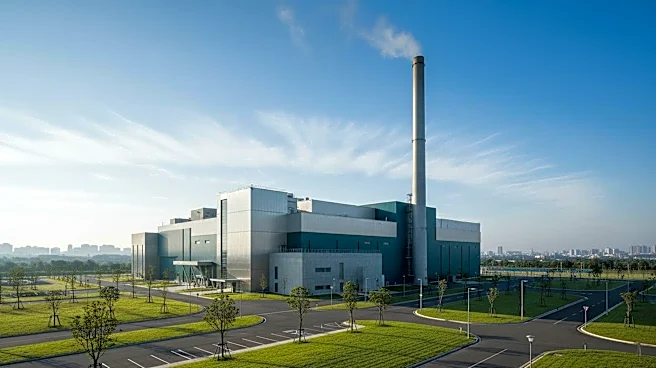
of waste pickers who salvage recyclable materials. However, the site is well over capacity, and the government plans to gradually close it starting next year. This raises concerns about where the rubbish will go and the future of those who depend on the landfill for income. The Indonesian government aims to phase out open dumping and establish sorting facilities for organic and recyclable materials. The closure plan includes transitioning to a waste-to-energy plant that incinerates residual waste to produce electricity.
Why It's Important?
The closure of Bantar Gebang landfill is significant as it highlights the broader waste management challenges faced by rapidly growing urban areas like Jakarta. The landfill's closure could impact thousands of waste pickers who rely on it for their livelihoods, raising social and economic concerns. The government's plan to transition to waste-to-energy facilities represents a shift towards more sustainable waste management practices. However, the success of this transition depends on the establishment of proper waste segregation systems, which are not yet widely practiced in Indonesia. The situation underscores the need for comprehensive waste management strategies that balance environmental sustainability with social and economic considerations.
What's Next?
As the government moves forward with plans to close Bantar Gebang, it will need to ensure that viable alternatives for waste disposal are in place to prevent environmental and social disruptions. The development of waste-to-energy plants and sorting facilities will require significant investment and infrastructure development. The government will also need to address the concerns of waste pickers and provide support for their transition to alternative livelihoods. The success of these initiatives will depend on effective policy implementation, community engagement, and collaboration with stakeholders to achieve sustainable waste management solutions.